
Table of Contents
- How to Book an Osteopathy Session in Aberdeen
- How to Prepare for an Osteopathy Session
- What to Expect at an Osteopath Appointment
- Osteopathy for Sports Injury Recovery
- Is an Osteopath Appointment Right for You?
- Your First Session: Next Steps
- Frequently Asked Questions
Last Updated: September 7, 2026
How to Book an Osteopathy Session in Aberdeen
Booking an osteopathy session in Aberdeen is straightforward, and most clinics now offer online scheduling alongside phone bookings. An osteopathy session typically lasts between 30 and 60 minutes, beginning with a detailed discussion of your symptoms and medical history before any hands-on treatment begins (the NHS). At Aberdeen Osteopathy Clinic, we keep our booking process simple so you can arrange an appointment, whether you are managing chronic neck pain from desk work or recovering from a weekend sports injury.
Most practices will ask about your reason for visiting when you book, which helps them allocate the right practitioner and appointment length. For new patients, allow a little extra time, as the first session usually runs longer to accommodate a full assessment. You can generally expect to be offered a consultation within a few days, though urgent cases are often seen sooner.
How to Prepare for an Osteopathy Session
Preparation for an osteopathy session is minimal, but a few steps make the appointment more effective. Wear loose, comfortable clothing that allows easy movement, such as a t-shirt and shorts or leggings, so your practitioner can assess your posture and range of motion without restriction.
It is also worth arriving with a clear idea of your symptoms: when they started, what makes them worse, and any previous treatment you have tried. Many patients find it helpful to bring a list of medications or relevant medical reports. According to guidance from the General Osteopathic Council, osteopaths are trained to work alongside other healthcare professionals, so mentioning any ongoing care you receive helps them tailor the approach. Eat normally beforehand and stay hydrated, though a very heavy meal immediately before treatment is best avoided.
What to Expect at an Osteopath Appointment
Your first osteopathy session in Aberdeen will begin with a conversation about your health, lifestyle, and the specific problem bringing you in. The osteopath will then ask you to perform a few simple movements to observe how your body moves, followed by gentle hands-on assessment of the affected areas. This is not a passive experience; you will remain involved throughout, and your practitioner should explain each step as it happens.
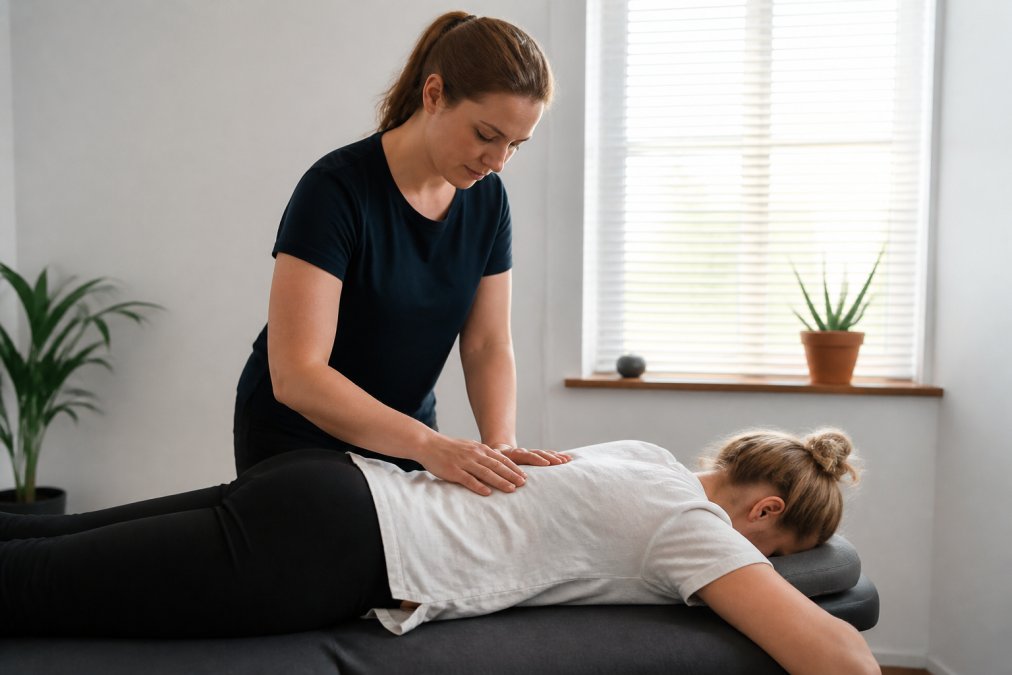
Treatment itself may involve soft tissue massage, joint mobilisation, and stretching techniques designed to restore movement and reduce tension. It is common to experience mild soreness for a day or two afterwards, similar to the feeling after unaccustomed exercise. The NHS overview of osteopathy notes that treatment is generally considered safe when performed by a qualified professional, and your practitioner will always check whether you are comfortable before proceeding.
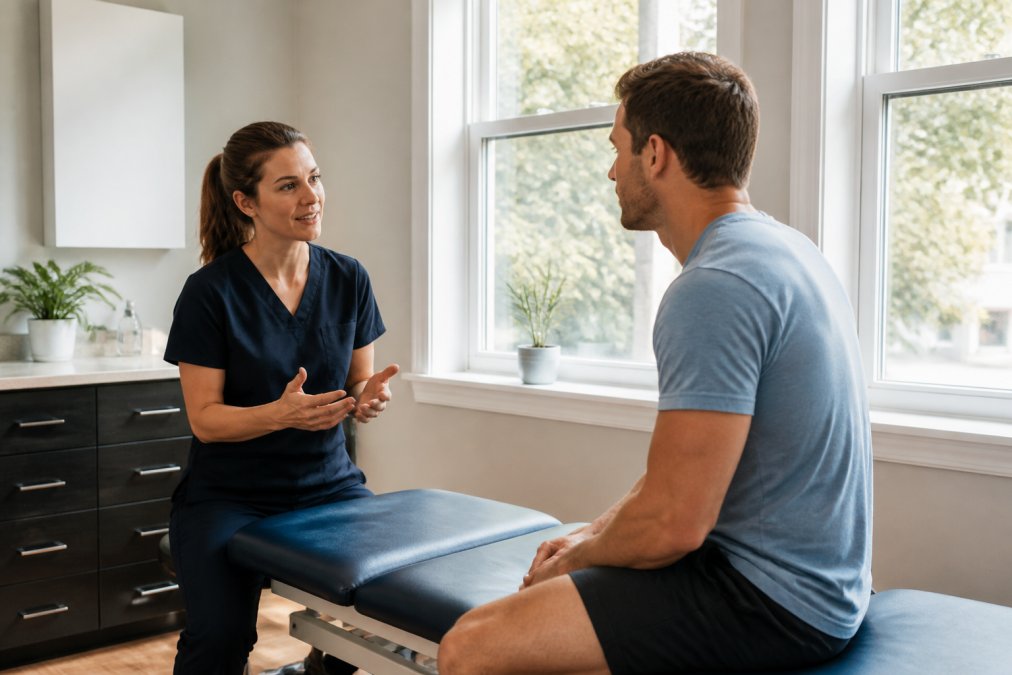
An osteopathy session is a collaborative process: you describe your symptoms, the practitioner assesses how your body moves, and together you agree on a treatment plan. You should never feel rushed or uncertain about what is happening.
Osteopathy for Sports Injury Recovery
Osteopathy for sports injury recovery has become a popular choice for runners, gym-goers, and team sports players in Aberdeen, largely because it addresses both the injury and the underlying movement patterns that may have caused it. Rather than simply treating the painful area in isolation, an osteopath looks at how the whole body compensates, which often reveals why the injury occurred in the first place.
A typical sports-focused session might combine soft tissue work to relax tight muscles with joint mobilisation to improve range of motion. Many athletes use osteopathy not only after an injury but also as part of their regular training routine to maintain flexibility and prevent problems developing. Recovery times vary depending on the nature and severity of the injury. For persistent issues, your practitioner may suggest a short course of treatment alongside specific exercises to do at home.
Is an Osteopath Appointment Right for You?
An osteopath appointment can help with a broad range of musculoskeletal complaints, but it is not the right choice for every situation. Osteopathy is commonly used for back and neck pain, joint discomfort, postural problems, and tension headaches, as well as for supporting recovery after injuries. Many patients also seek treatment during pregnancy for pelvic and lower back discomfort, and some clinics offer gentle care for babies and children.
However, you should see your GP first if you have symptoms such as unexplained weight loss, fever, or pain that does not settle, as these may indicate a condition requiring different medical attention. Osteopaths are trained to recognise red flags and will refer you to the appropriate healthcare professional if they have any concerns. If you are unsure whether osteopathy suits your situation, a consultation is the best way to find out, as the practitioner can assess your individual needs and advise honestly on whether treatment is likely to help.
| Common Reason for Visiting | Typical Focus of Treatment | Number of Sessions Often Needed |
|---|---|---|
| Desk-related neck and back pain | Posture, spinal mobility, muscle tension | 2-4 sessions |
| Sports injury recovery | Soft tissue, joint range, movement patterns | 3-6 sessions |
| Pregnancy-related discomfort | Pelvic alignment, lower back relief | As needed through pregnancy |
| General stiffness and aches | Whole-body assessment, gentle mobilisation | 1-3 sessions |
If you experience sudden, severe pain accompanied by numbness, weakness in your legs, or loss of bladder control, do not book an osteopathy session. Seek urgent medical advice instead, as these symptoms require immediate attention.
Your First Session: Next Steps
Your first session is about gathering information as much as it is about treatment, so expect to spend time talking before any hands-on work begins. The osteopath will explain their findings in plain language and propose a plan tailored to your goals, whether that means resolving a specific injury or managing a long-standing condition. You are never obliged to continue with further appointments, and a good practitioner will be honest about whether ongoing care is necessary or whether a few sessions will suffice.
Pricing for osteopathy varies between clinics and depends on the length and type of session, so it is always worth checking current rates before you book. At Aberdeen Osteopathy Clinic, our focus is on expert diagnosis and hands-on treatment that restores movement and function, delivered in a relaxed and friendly atmosphere. Whether you are seeking relief from years of desk-related neck pain, support through pregnancy, or help recovering from a sports injury, our experienced practitioners tailor every session to your needs.
Book your first appointment at a time when you do not need to rush back to work immediately. Giving yourself an hour of quiet time afterwards lets you notice how your body responds and helps you describe any after-effects accurately at your next visit.
Living with persistent pain or restricted movement can wear you down, but you do not have to accept it as a normal part of life. Aberdeen Osteopathy Clinic offers expert diagnosis and tailored osteopathic treatment for people of all ages, from babies and children to adults managing sports injuries, pregnancy-related discomfort, and everyday aches. Our hands-on approach is designed to restore optimal movement and function so you can feel stronger, brighter, and more energised. Contact us today to book your osteopathy session and take the first step towards lasting relief.
Frequently Asked Questions
Do I need a GP referral to book an osteopathy session in Aberdeen?
No, you do not need a GP referral to book an osteopathy session in Aberdeen. Osteopaths are primary healthcare practitioners, so you can contact the clinic directly to arrange an appointment. Many patients self-refer for issues like back pain, neck stiffness, or sports injuries. Your osteopath will take a full case history and may liaise with your GP if your condition requires further investigation, but seeing one first is not a requirement.
Are osteopaths regulated in the UK?
Yes, osteopaths in the UK are regulated by the General Osteopathic Council (GOsC). It is a legal requirement for anyone calling themselves an osteopath to be registered with them. This means practitioners must meet strict standards of training, safety, and conduct. When you book an appointment, you can check the GOsC register to confirm your osteopath’s credentials, giving you confidence in the quality of care you will receive.
How does osteopathy help with sports injury recovery?
Osteopathy for sports injury recovery focuses on restoring normal movement and function throughout the body, not just treating the site of pain. Using hands-on techniques like joint manipulation, soft tissue massage, and stretching, an osteopath aims to improve circulation, reduce tension, and support the body’s own healing process. This can help you return to training more quickly and may reduce the risk of the injury recurring.
How many osteopathy sessions will I need?
The number of sessions you need depends entirely on your condition, its severity, and how long you have had it. Chronic issues may require a short course of treatment over several weeks. Your osteopath will discuss a realistic treatment plan with you after your first assessment, and you are never obliged to commit to ongoing care.
