

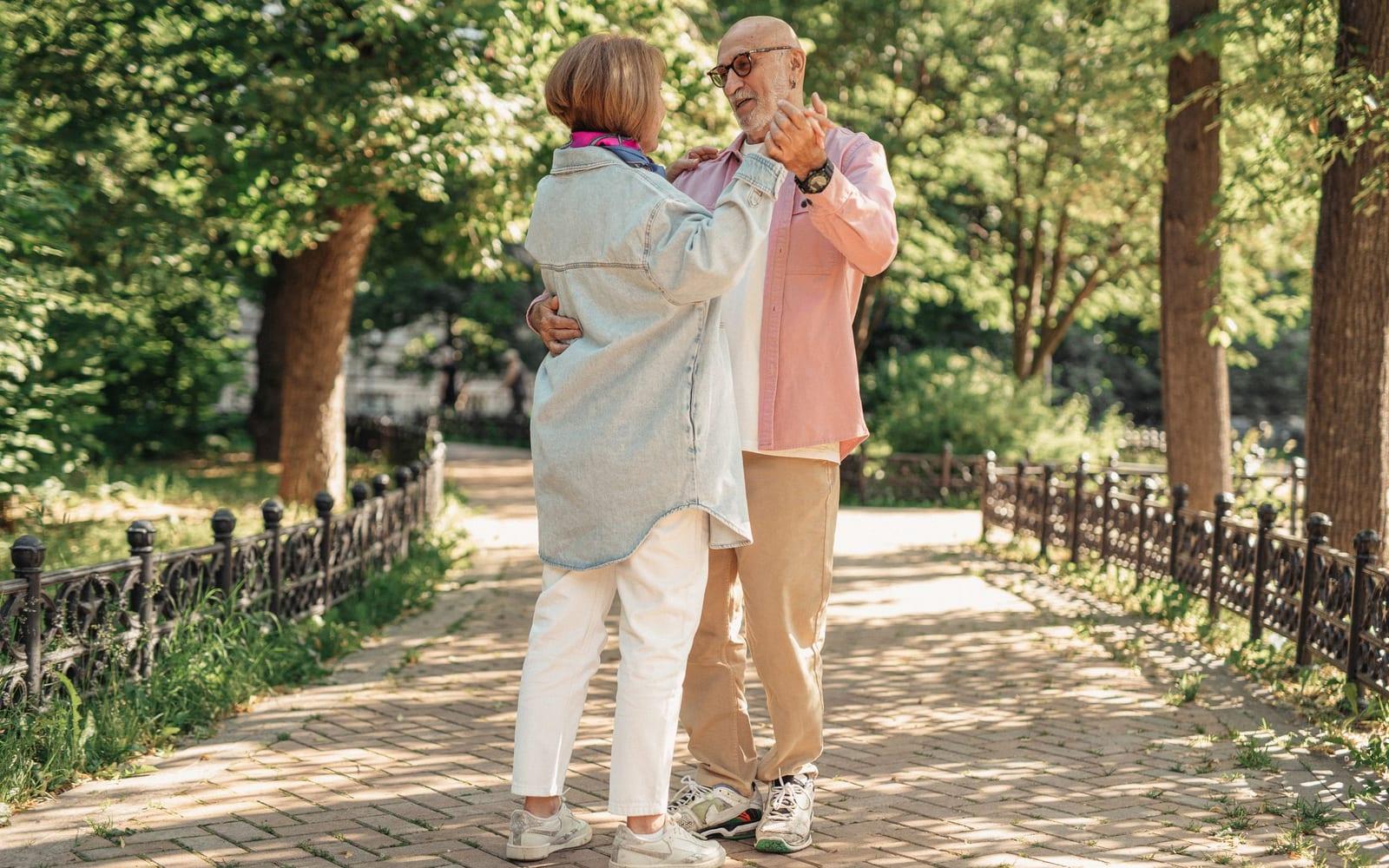
Aging Gracefully or Getting Old? They are not the same thing!
As we age, maintaining mobility, managing age-related conditions, and preserving a high quality of life become increasingly important. Osteopathy, a holistic approach to healthcare, offers numerous benefits for seniors. In this blog post, we will explore how osteopathy can help older individuals age gracefully by enhancing mobility and improving their overall well-being.
Preserving Mobility and Flexibility:
One of the significant concerns for seniors is the decline in mobility and flexibility. Osteopathy plays a crucial role in addressing these issues. Osteopathic practitioners utilize gentle manual techniques to restore joint mobility, improve muscle flexibility, and increase overall range of motion. By reducing stiffness and promoting proper alignment, osteopathy helps seniors maintain their independence, perform daily activities with ease, and engage in physical activities that bring joy and vitality to their lives.
Improving Quality of Life:
Osteopathy has a profound impact on the overall quality of life for seniors. Osteopathic techniques not only address physical aspects but also consider emotional and mental well-being. This holistic approach enhances their ability to engage in social activities, pursue hobbies, and enjoy a fulfilling lifestyle.
Conclusion:
Osteopathy offers older individuals a comprehensive and integrative approach to aging gracefully. By addressing mobility and improving overall well-being, osteopathy empowers seniors to lead active and fulfilling lives. With the help of osteopathic treatment, older individuals can find relief, regain mobility, and enhance their quality of life in their golden years.
Related conditions
More from the blog
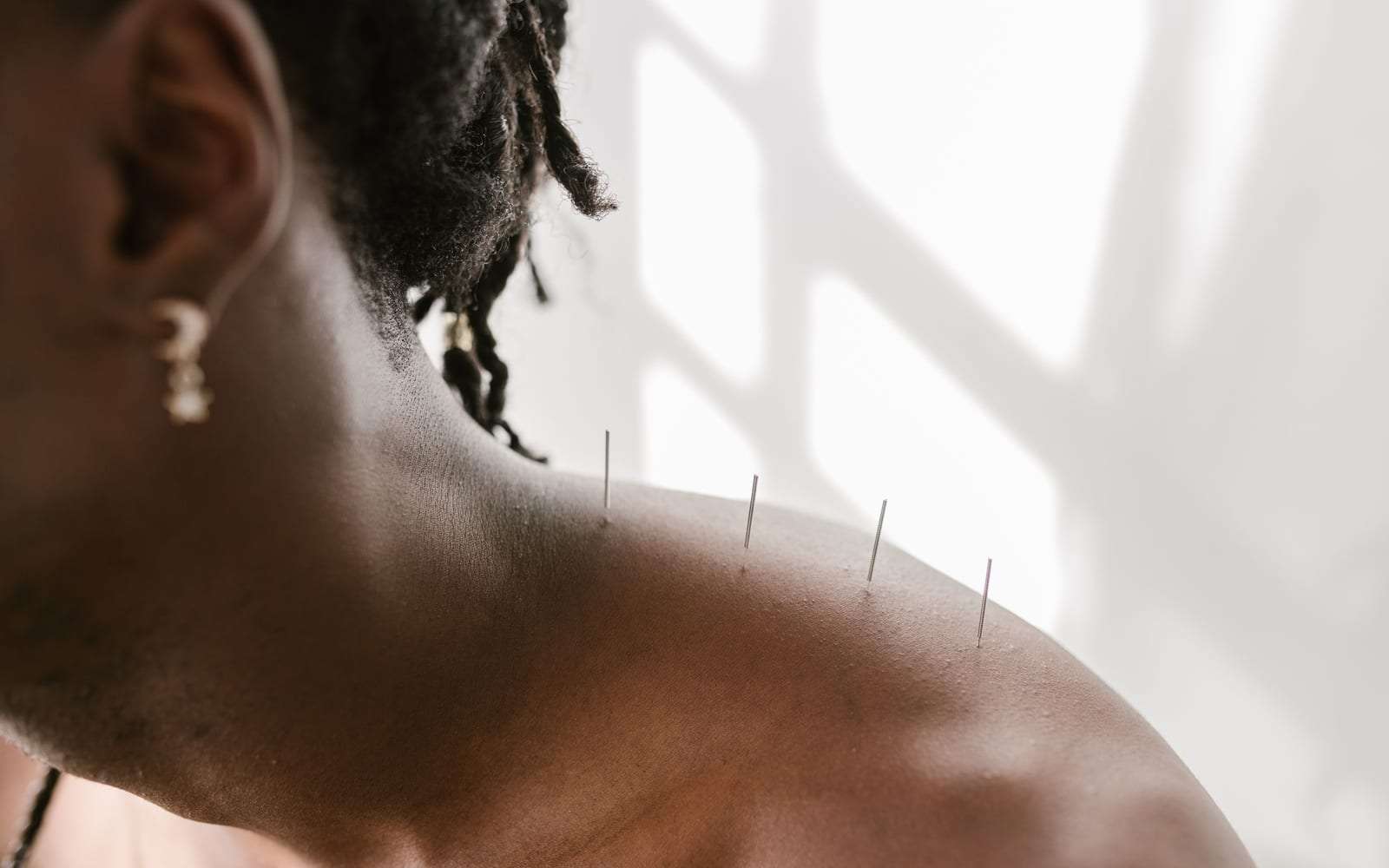
Dry Needling in Aberdeen: What It Is, What It Feels Like, and What the Evidence Supports
Dry needling in Aberdeen explained: what it is, how it differs from acupuncture, what the needle feels like, who should not have it, and what the evidence says.

Shoulder Pain That Will Not Shift: Frozen Shoulder, Tendons and the Winter Coat Test
Frozen shoulder, a rotator cuff tendon or the neck: how to tell which is behind a shoulder that will not shift, what the NHS advises and when to see a GP.

Back Pain Offshore: Long Sits, 12-Hour Shifts and the Helicopter, and What to Do Between Trips
Why back pain follows the offshore rotation, what the NHS and NICE say helps, when to see a GP, and how to use your time ashore in Aberdeen to sort it out.
Book your appointment
Need an appointment or just have a general enquiry? Complete the form and we'll be in touch within 24 hours. If you require to be seen urgently or need some initial advice, please give us a call.