

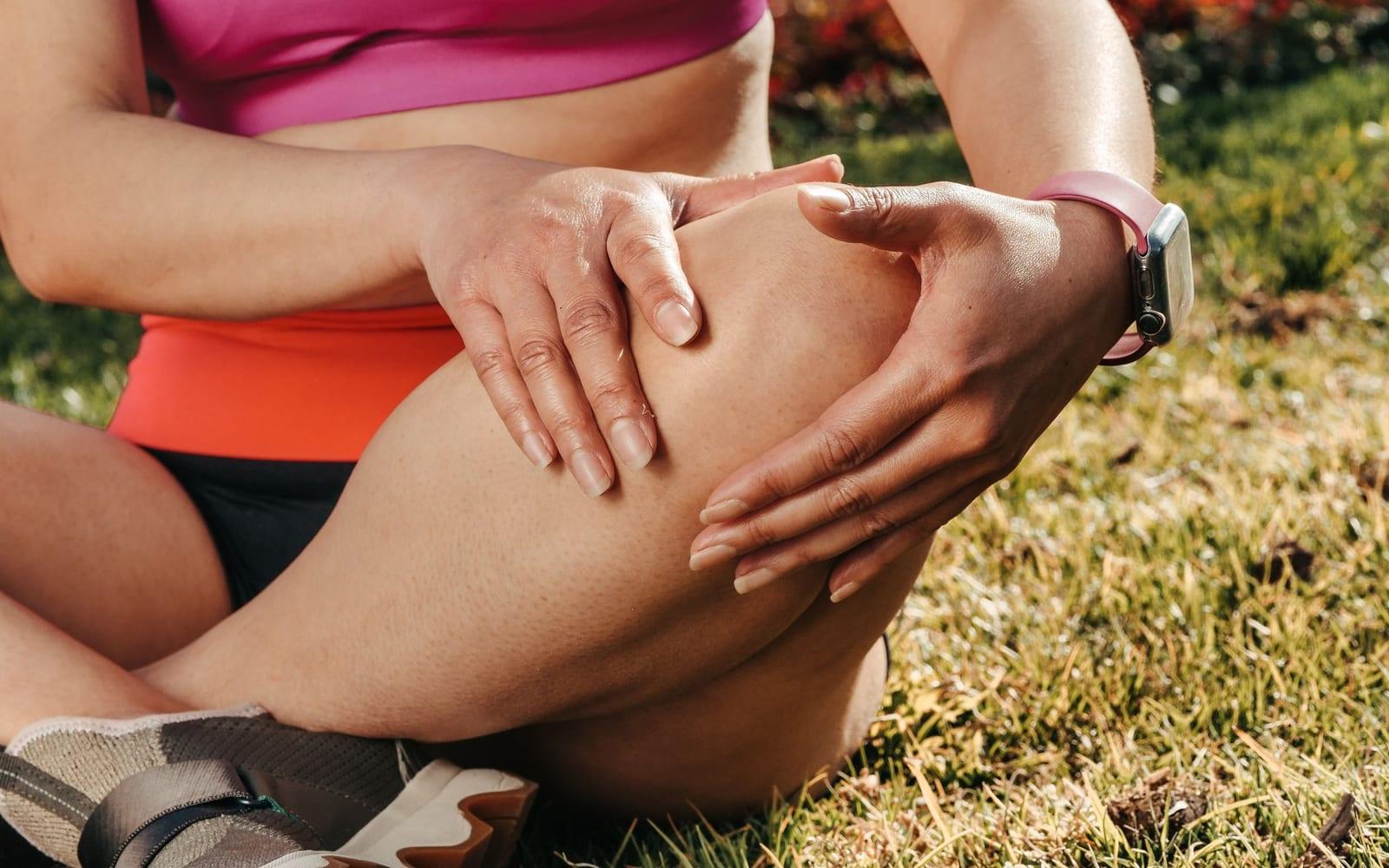
Sporting Injury: Let's help the recovery and get you back in action
Osteopathy treatments can play a crucial role in aiding the recovery process from sporting injuries. Whether you’re a professional athlete or a weekend warrior, injuries are an unfortunate but common part of the sports experience. Osteopathy, a holistic approach to healthcare, offers a unique set of benefits that can aid recovery.
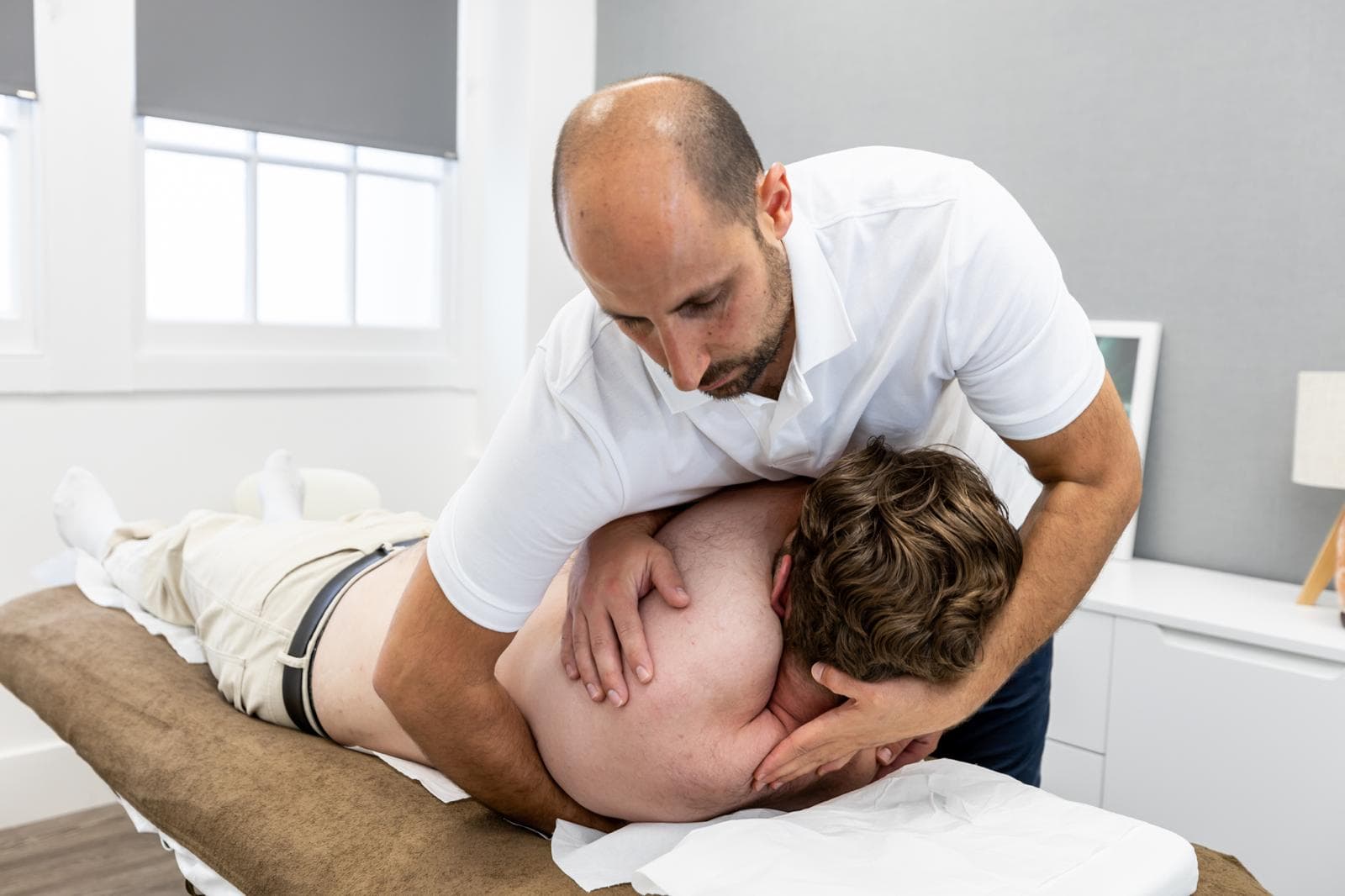
One of the primary advantages of osteopathy in sports injury recovery is its focus on the musculoskeletal system. Osteopathic practitioners are trained to assess and treat a wide range of conditions that affect bones, muscles, and joints. They employ various manual techniques, including joint mobilization, soft tissue manipulation, and stretching exercises, to alleviate pain. Osteopaths are skilled in identifying the root causes of injuries, which can be essential for preventing recurrences.
Additionally, osteopathy considers the body as a whole, not just the injured area. Osteopathic treatments aim to restore balance and harmony to the entire body, which can help improve circulation and reduce stress and tension. These holistic benefits are vital for athletes seeking a sustainable recovery.
In conclusion, osteopathy is a valuable resource for individuals recovering from sporting injuries. Its emphasis on a holistic approach, combined with manual therapies and an understanding of the body’s interconnected systems, can contribute to recovery, allowing athletes to return to their favourite activities with confidence. Whether you’re dealing with a sprain, strain, or more complex musculoskeletal issue, osteopathy can be an essential component of your rehabilitation journey.
For further information on possible treatments check out the treatments section.

Related treatments
Related conditions
More from the blog
Hip and Knee Pain from Osteoarthritis: Why Exercise Is the Treatment, and How Osteopathy Helps You Do It
What the NICE osteoarthritis guideline says helps hip and knee pain: exercise, weight and support first, hands-on treatment only alongside, and what not to buy.
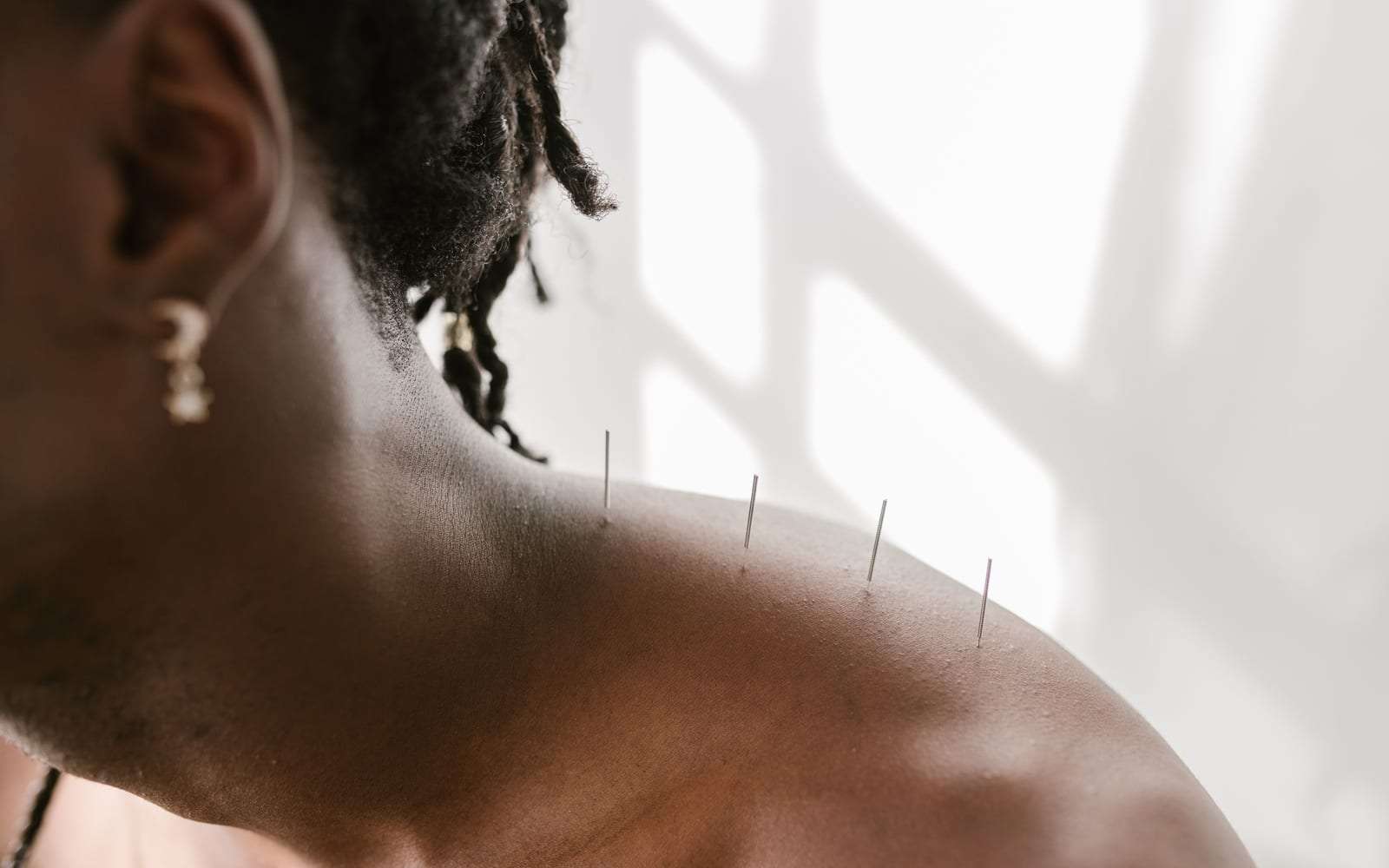
Dry Needling in Aberdeen: What It Is, What It Feels Like, and What the Evidence Supports
Dry needling in Aberdeen explained: what it is, how it differs from acupuncture, what the needle feels like, who should not have it, and what the evidence says.

Shoulder Pain That Will Not Shift: Frozen Shoulder, Tendons and the Winter Coat Test
Frozen shoulder, a rotator cuff tendon or the neck: how to tell which is behind a shoulder that will not shift, what the NHS advises and when to see a GP.
Book your appointment
Need an appointment or just have a general enquiry? Complete the form and we'll be in touch within 24 hours. If you require to be seen urgently or need some initial advice, please give us a call.