

If you are searching for "plantar fasciitis treatment Aberdeen" or "shockwave therapy Aberdeen", you have probably had heel or Achilles pain for a while and want to know what else exists. This guide covers the two conditions as the NHS describes them, the self-care to try first, what shock wave therapy at the clinic involves and costs, what NICE says about the evidence, and who should not have it. Our earlier post on shockwave therapy in general covers the other conditions it is used for.
Plantar fasciitis: the morning heel
The plantar fascia is a thick band of tissue under the foot connecting the heel bone to the toes, and plantar fasciitis is pain around the heel and arch caused by straining it. The NHS says it is more likely to be plantar fasciitis if the pain is much worse when you first start walking after sleeping or resting, eases as you move around but gets worse if you stand, walk or run for a long time, and if it is painful to stretch the sole of the foot, for example when you raise your toes off the floor or walk up stairs.
The NHS says you are more likely to get it if you are 40 to 60, have recently started exercising on hard surfaces, exercise with a tight calf or heel, do a lot of standing, walking or running or have started doing far more than usual, wear shoes with poor cushioning, or are overweight.
Achilles tendinopathy: the back of the heel
The Achilles tendon connects the calf muscles to the heel bone. The NHS describes Achilles tendonitis as pain in the back of the heel, and in the ankle and calf. NICE uses the broader term tendinopathy: long-standing degeneration of the tendon, usually associated with injury or overuse, with pain, swelling, weakness and stiffness over the tendon.
One warning first. The NHS says a sudden sharp pain in the heel with swelling, a popping or snapping sound and difficulty walking can mean a heel fracture or a ruptured Achilles tendon. That is a case for NHS 111, not for shock wave therapy.
What the NHS says to try first
For plantar fasciitis the NHS lists what a GP will usually suggest: rest and raise your foot when you can; an ice pack wrapped in a towel on the painful area for up to 20 minutes every two to three hours; shoes with cushioned heels and good arch support, or insoles and heel pads; regular gentle exercises to stretch the sole of your foot and heel; exercise that does not load the feet, such as swimming; painkillers such as paracetamol or ibuprofen gel if needed; and losing weight if you are overweight. Do not walk or stand for long periods, do not wear high heels, tight pointy shoes, flip-flops or backless slippers, and try not to walk barefoot on hard surfaces.
For a sore tendon the NHS advice for the first two to three days is rest, ice and a snug support, then keep the area moving once you can without pain stopping you, and avoid sport until it has recovered. If plantar fasciitis does not improve, the NHS says you might see a physiotherapist or podiatrist, and only if that does not help might you be offered other treatments, one of which is shock wave therapy.
What shock wave therapy involves at the clinic
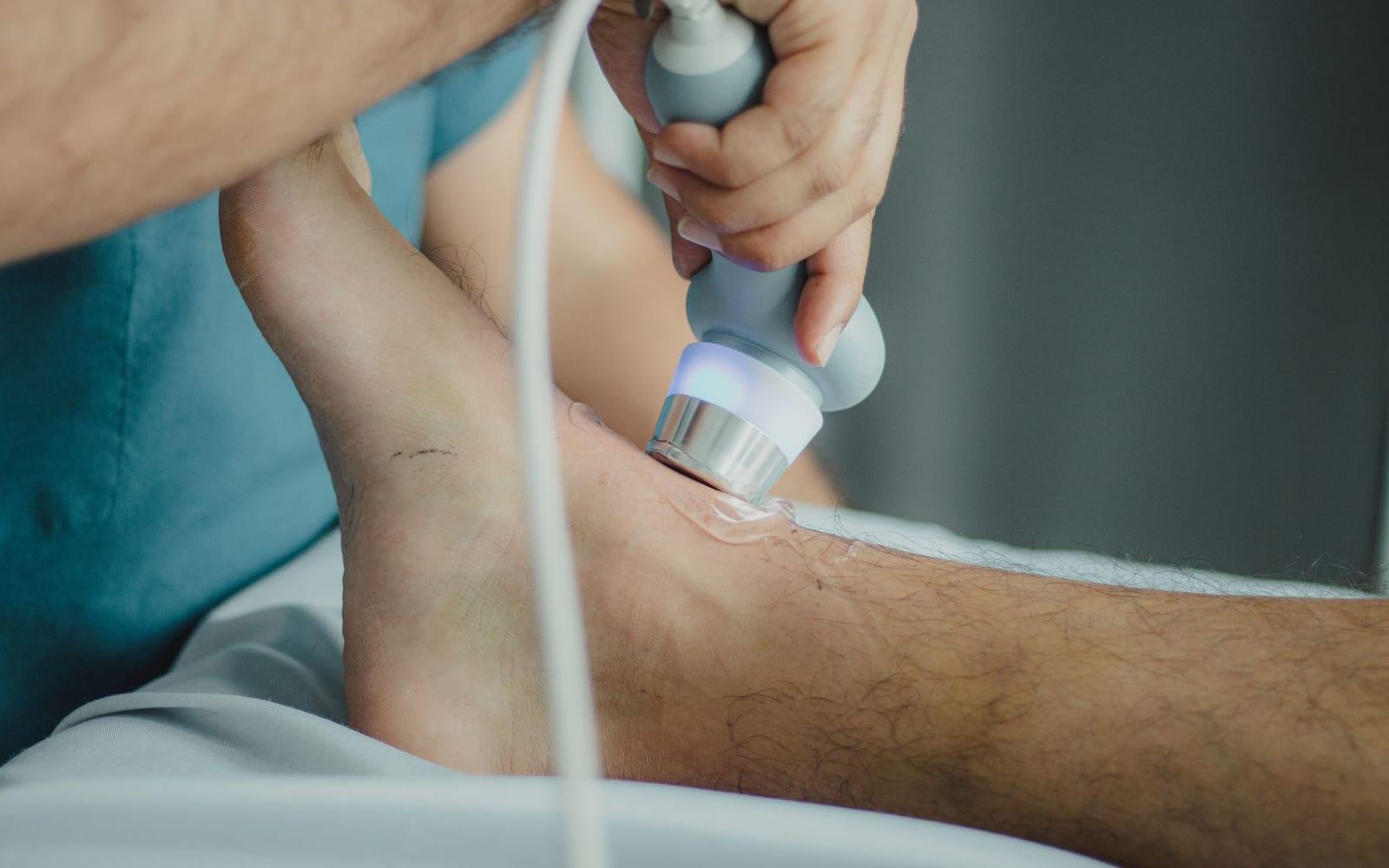
Shock wave therapy, in full extracorporeal shock wave therapy, is a series of high-energy percussions applied to the affected area. The shock is a physical sound wave, not an electric one, and nothing is inserted. At the clinic approximately 2,000 shocks are applied per treatment area, which takes around five minutes; a session usually lasts five to twenty minutes. The appointment is £65 for 30 minutes, and normally three to five treatments are given at weekly intervals, so plan for a short course.
It can be fairly uncomfortable, although most people tolerate it, and the machine can be turned down if you cannot. Some discomfort two to four hours afterwards is common and can last up to 48 hours, and some bruising and swelling can occur. Do not use ice afterwards, and reduce activity for 48 hours.
What NICE says about the evidence
Be clear about this before you book. NICE has assessed shock wave therapy for both conditions: IPG311 for refractory plantar fasciitis, now published as HTG200, and IPG312 for refractory Achilles tendinopathy, since updated and now published as HTG426. For plantar fasciitis NICE says the evidence raises no major safety concerns, but current evidence on its efficacy is inconsistent, so the procedure should only be used with special arrangements for clinical governance, consent and audit or research. For Achilles tendinopathy it says the evidence on efficacy is inconsistent and limited in quality and quantity, with the same special arrangements. In both cases patients should understand the uncertainty about the procedure's efficacy before agreeing to it, and NICE says the mechanism by which it might affect a tendon problem is unknown.
In plain words: it helps some people and not others, nobody can tell you in advance which you will be, and it is not a first-line treatment. The clinic's page says the long-term benefit may take three to four months to show, and that if there is no marked improvement by then you should see your doctor.
Who it suits, who it does not, and when to see a GP
Shock wave therapy suits someone whose heel or Achilles pain has lasted well beyond the point where the NHS self-care steps should have worked, who has been assessed, and who understands the evidence above. It is not offered to anyone with a coagulation disorder or thrombosis, heart or circulatory conditions, anyone taking anticoagulants, cancer patients, pregnant women, children, people with polyneuropathy from diabetes, anyone with acute inflammation or infection in the treatment area, or anyone who has had cortisone treatment in the previous six weeks.
The NHS says to see a GP if your heel pain is severe or stopping you doing normal activities, is getting worse or keeps coming back, has not improved after treating it at home for two weeks, if you have any tingling or loss of sensation in your foot, or if you have diabetes and heel pain. Contact NHS 111 if you have severe heel pain after an injury, heard a snap, grinding or popping noise at the time, cannot walk or walk on tiptoes, or have swelling and bruising in your calf and ankle.
To discuss a course, read the shock wave therapy page and the sports injuries page, then book online or call 01224 707877. No GP referral is needed.
Sources
- NHS: plantar fasciitis
- NHS: heel pain
- NHS: tendonitis
- NICE IPG311: extracorporeal shockwave therapy for refractory plantar fasciitis
- NICE HTG200 recommendations (the current publication of IPG311)
- NICE IPG312: extracorporeal shockwave therapy for refractory Achilles tendinopathy
- NICE HTG426 recommendations (the current guidance on ESWT for Achilles tendinopathy)
This article is general information, not personal medical advice. If you are worried about a symptom, see your GP or call NHS 24 on 111.

Related treatments
More from the blog

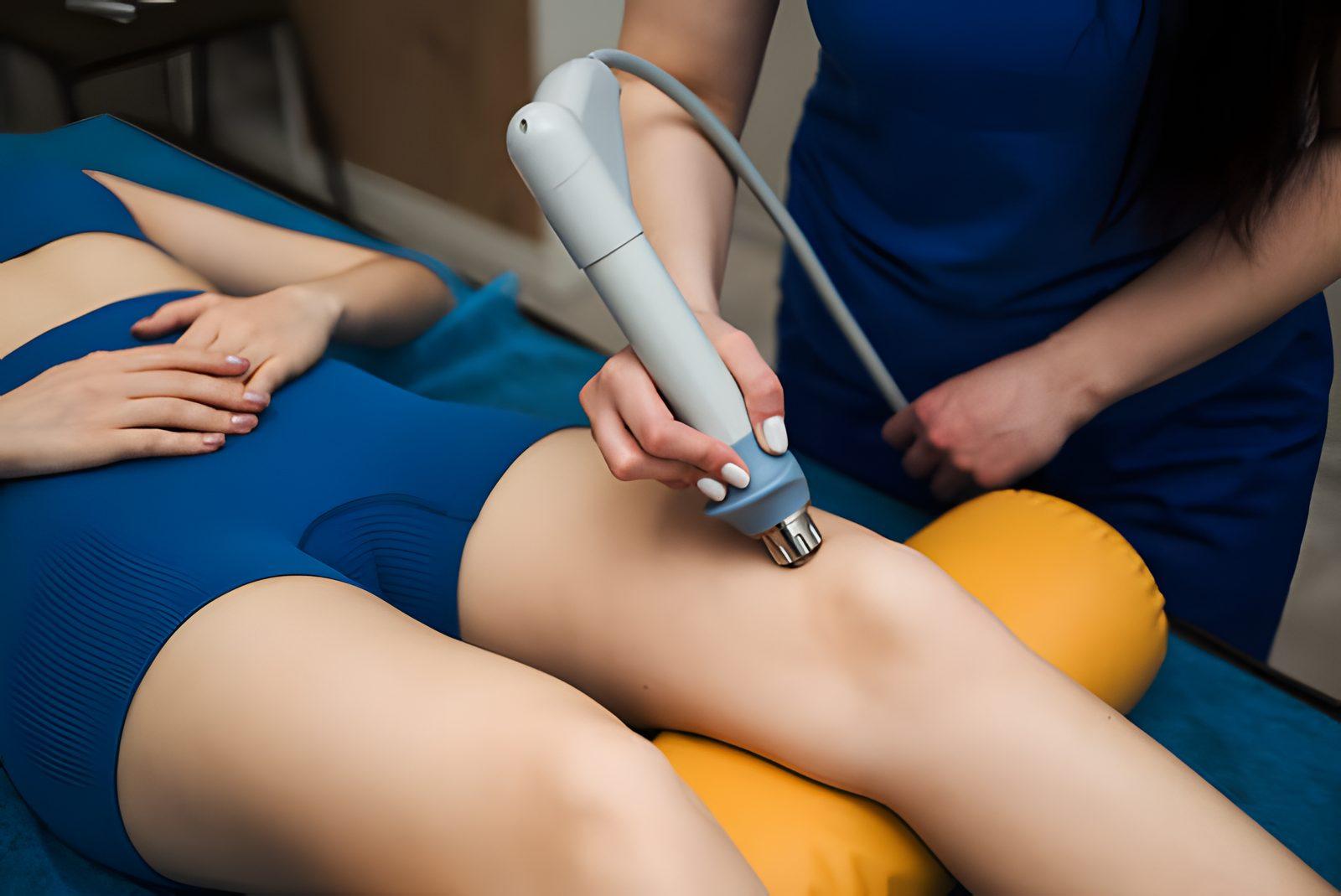
Hip and Knee Pain from Osteoarthritis: Why Exercise Is the Treatment, and How Osteopathy Helps You Do It
What the NICE osteoarthritis guideline says helps hip and knee pain: exercise, weight and support first, hands-on treatment only alongside, and what not to buy.
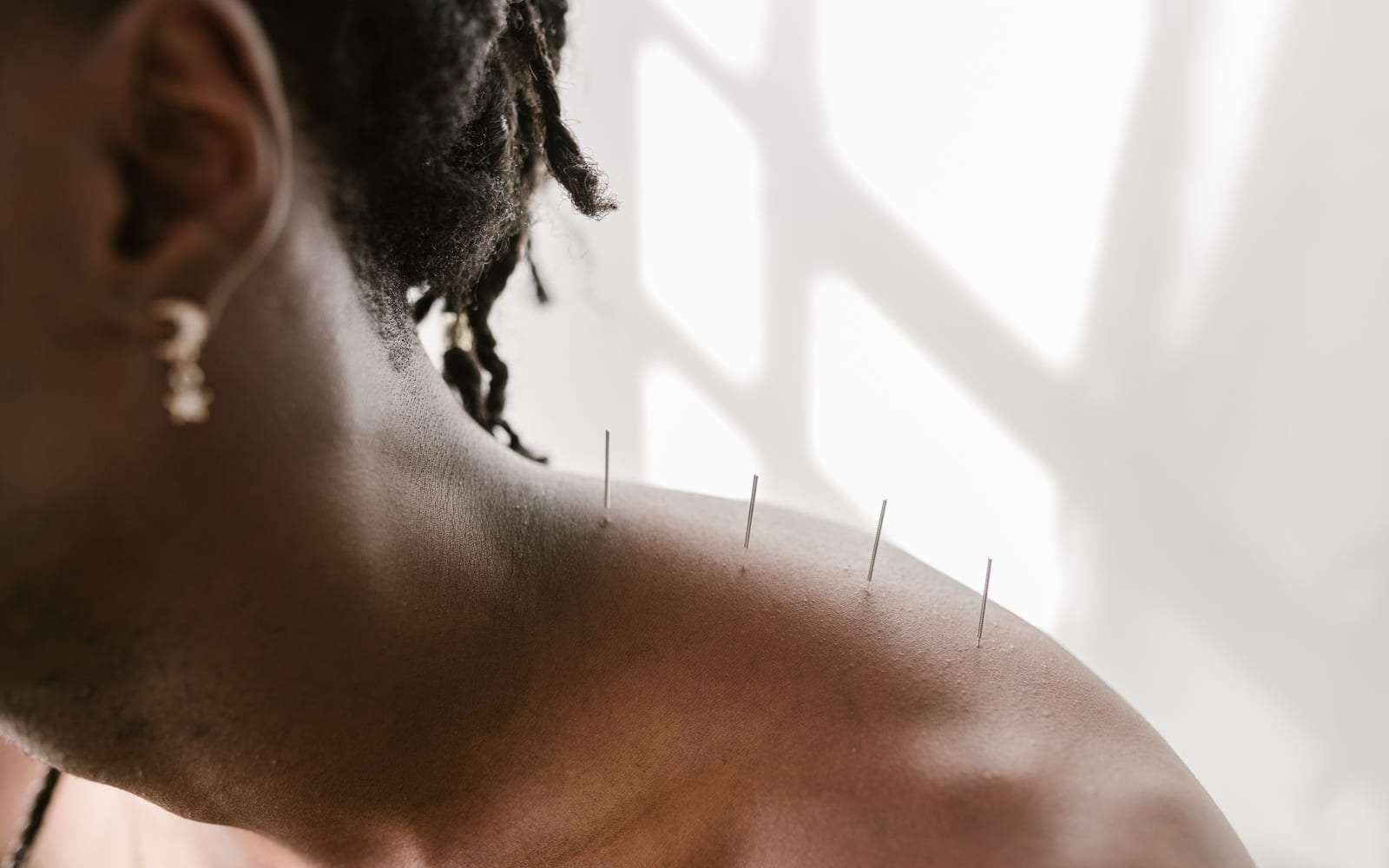
Dry Needling in Aberdeen: What It Is, What It Feels Like, and What the Evidence Supports
Dry needling in Aberdeen explained: what it is, how it differs from acupuncture, what the needle feels like, who should not have it, and what the evidence says.

Shoulder Pain That Will Not Shift: Frozen Shoulder, Tendons and the Winter Coat Test
Frozen shoulder, a rotator cuff tendon or the neck: how to tell which is behind a shoulder that will not shift, what the NHS advises and when to see a GP.
Book your appointment
Need an appointment or just have a general enquiry? Complete the form and we'll be in touch within 24 hours. If you require to be seen urgently or need some initial advice, please give us a call.