

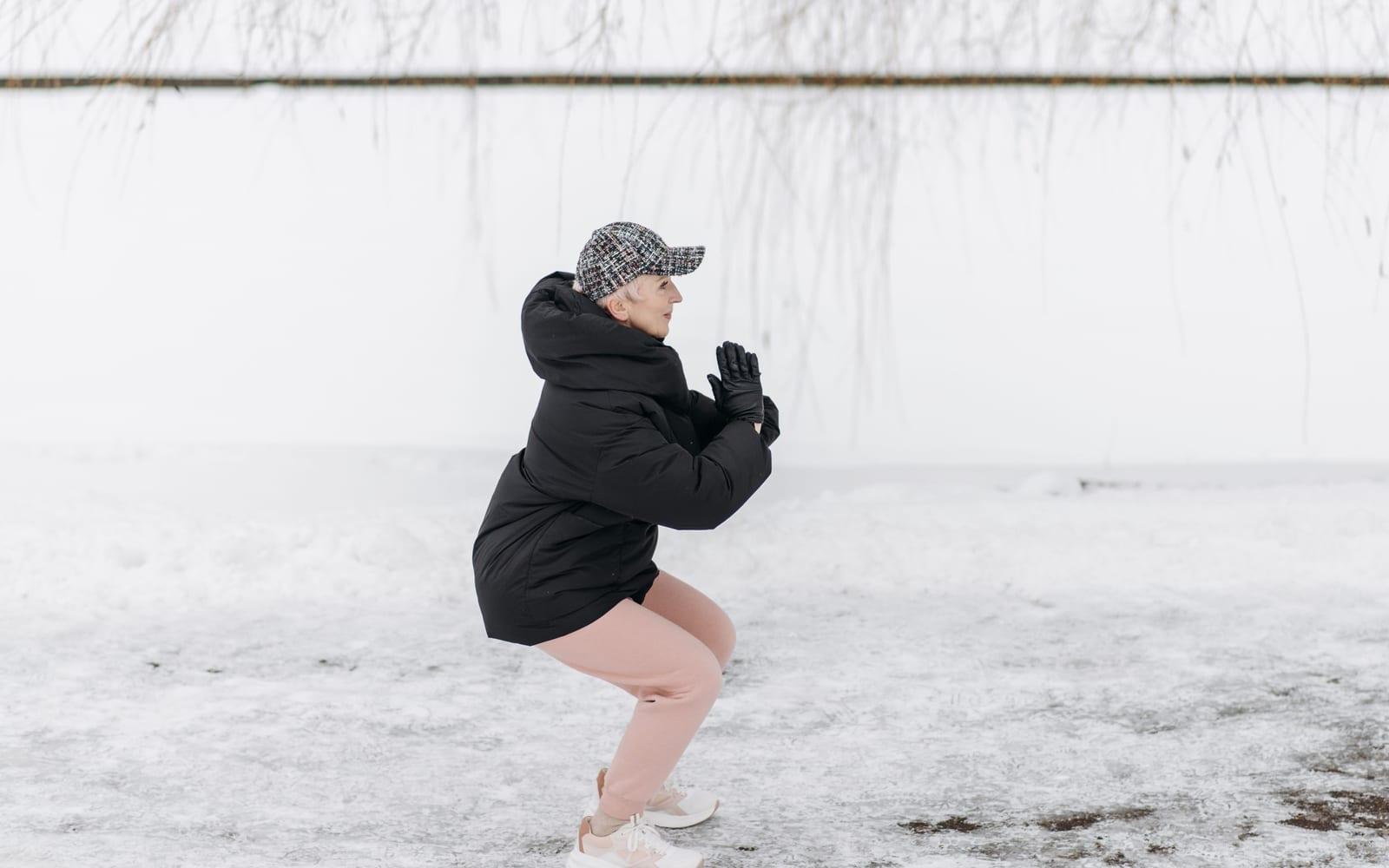
If you have typed "osteoarthritis knee exercise", "hip pain Aberdeen" or "knee pain osteopath" into a search bar, you are probably in the group the guidance was written for: over 45, a joint that aches more the more you use it, stiff for a few minutes in the morning, and a sense that it is only going to get worse. The good news is in the guidance itself. NICE guideline NG226, published in 2022, sets out what helps osteoarthritis of the hip and knee and what does not, and its core treatment is something you can start this week. This guide puts that guidance in plain words and explains how osteopathy helps you do it.
What osteoarthritis is, and what it is not
Osteoarthritis is the most common type of arthritis in the UK and most often affects the knees, hips and the small joints of the hands. The NHS describes it as the protective cartilage on the ends of the bones breaking down, which causes pain, stiffness and problems moving the joint, sometimes with swelling, tenderness or a grating feeling. Age, a previous joint injury, family history, carrying extra weight and being a woman all raise the risk.
What it is not is a steady slide. The NHS is clear that osteoarthritis is a long-term condition that cannot be cured, but that it does not necessarily get any worse over time and can sometimes gradually improve.
You usually do not need a scan
NICE says to diagnose osteoarthritis clinically, without imaging, in people who are 45 or over, have joint pain that is related to activity, and have either no morning stiffness or morning stiffness that lasts no longer than 30 minutes. It says not to routinely use imaging to diagnose it unless there are unusual features or something that suggests a different or additional problem. If your stiffness lasts well over half an hour in the morning, that is a different pattern, which the NHS notes can point to rheumatoid arthritis, and your GP should hear about it.
The core treatments, in NICE's order
NICE names three core treatments, and they come before any medicine or hands-on treatment. First, therapeutic exercise, offered to everyone with osteoarthritis and tailored to them, for example strengthening the muscles around the joint and building general aerobic fitness. Second, weight management where it applies: NICE says weight loss will improve quality of life and physical function and reduce pain, that any amount is likely to help, and that losing 10% of body weight is likely to be better than losing 5%. Third, information and support, so that you understand the condition and know which exercises matter.
The guidance is candid that exercise can hurt at first. It asks clinicians to explain that joint pain may increase when you start, that regular and consistent exercise will still be beneficial for the joints, and that sticking with a plan over the long term is what reduces pain and improves function. Supervised exercise sessions are worth considering. The NHS puts it more simply: regular exercise that keeps you active, builds up muscle and strengthens the joints usually helps to improve symptoms, whatever your age or level of fitness.
What NICE says not to offer
NICE says not to offer acupuncture or dry needling to manage osteoarthritis. It says not to offer electrotherapy treatments, including TENS, ultrasound, interferential, laser, pulsed short-wave and neuromuscular electrical stimulation, because there is insufficient evidence of benefit. It says not to offer glucosamine or strong opioids: there is no strong evidence of benefit for glucosamine, and the risks of strong opioids outweigh the benefits. Paracetamol and weak opioids should not be offered routinely either, because there is no strong evidence of benefit for paracetamol; they are kept for infrequent, short-term use when other options are unsuitable.
What medicines are used, if needed, are used alongside exercise, at the lowest effective dose for the shortest possible time. NICE's first choice is a topical anti-inflammatory gel for knee osteoarthritis, then an oral anti-inflammatory with stomach protection if the gel is not enough. Those decisions sit with your GP or pharmacist.
Where hands-on treatment fits
NICE is specific about manual therapy, which includes the manipulation, mobilisation and soft tissue techniques osteopaths use. It says to consider it only for people with hip or knee osteoarthritis, and only alongside therapeutic exercise, and it asks clinicians to explain that there is not enough evidence to support manual therapy on its own. That is exactly how it is used at the clinic. Osteopathy could help with joint pains including hip and knee pain from osteoarthritis as an adjunct to the core treatments and exercise: hands-on work to ease a stiff hip, a sore knee or the lower back and pelvis that are loading them, so that the exercise plan is possible to do and keep doing. The exercise is the treatment; the hands-on part is there to make it easier.
A first appointment starts with the history and an examination of the painful joint along with the back, pelvis and the other leg, because the way the whole limb loads matters, and the plan is agreed with you from there. For people who feel stiff rather than in sharp pain, Active Isolated Stretching at the clinic is a guided way to build range that you can repeat at home.
When to see a GP or get urgent help
The NHS says to see a GP if hip pain is stopping you doing normal activities or affecting your sleep, is getting worse or keeps coming back, has not improved after treating it at home for two weeks, or if you have hip stiffness for more than 30 minutes after waking. For the knee, see a GP if knee pain does not improve within a few weeks. Get advice from NHS 111 now if your knee is very painful, you cannot move it or put any weight on it, it is badly swollen or has changed shape, it locks or gives way, or you have a very high temperature with redness or heat around the knee. Ask for an urgent GP appointment or get help from NHS 111 for severe hip pain that started suddenly without a fall, or a hip that is swollen and feels hot.
Read more on the hip and knee pain page and see how osteopathy treatment works at the clinic. A first visit, including the consultation, is £80, and continuing treatment is £70. No referral is needed: book online or call 01224 707877.
Sources
- NICE guideline NG226: osteoarthritis in over 16s, diagnosis and management
- NICE NG226: recommendations
- NHS: osteoarthritis
- NHS: osteoarthritis, treatment and support
- NHS: hip pain in adults
- NHS: knee pain
- Committee of Advertising Practice: health, osteopathy (the accepted conditions list)
This article is general information, not personal medical advice. If you are worried about a symptom, see your GP or call NHS 24 on 111.
Related treatments
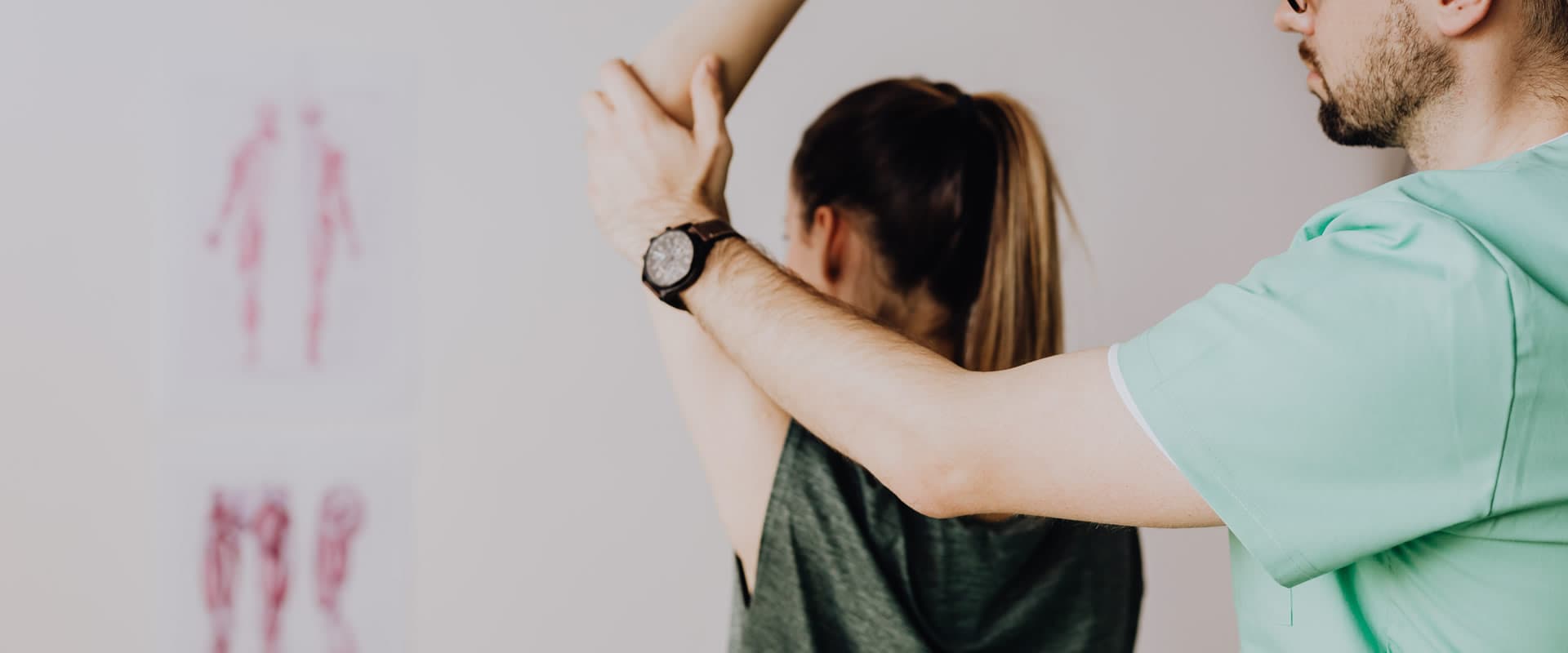
Active Isolated Stretching
Flexibility and proper stretching play a crucial role in enhancing performance and rehabilitation as well as an important role in overall wellness. Flexibility is specific to each joint. Work or exercise requiring repeated overuse of the same muscles day in day out confines joints within a restricted range of motion and tends to reduce flexibility. Active Isolated Stretching is an effective technique that can easily be learned.
Learn more →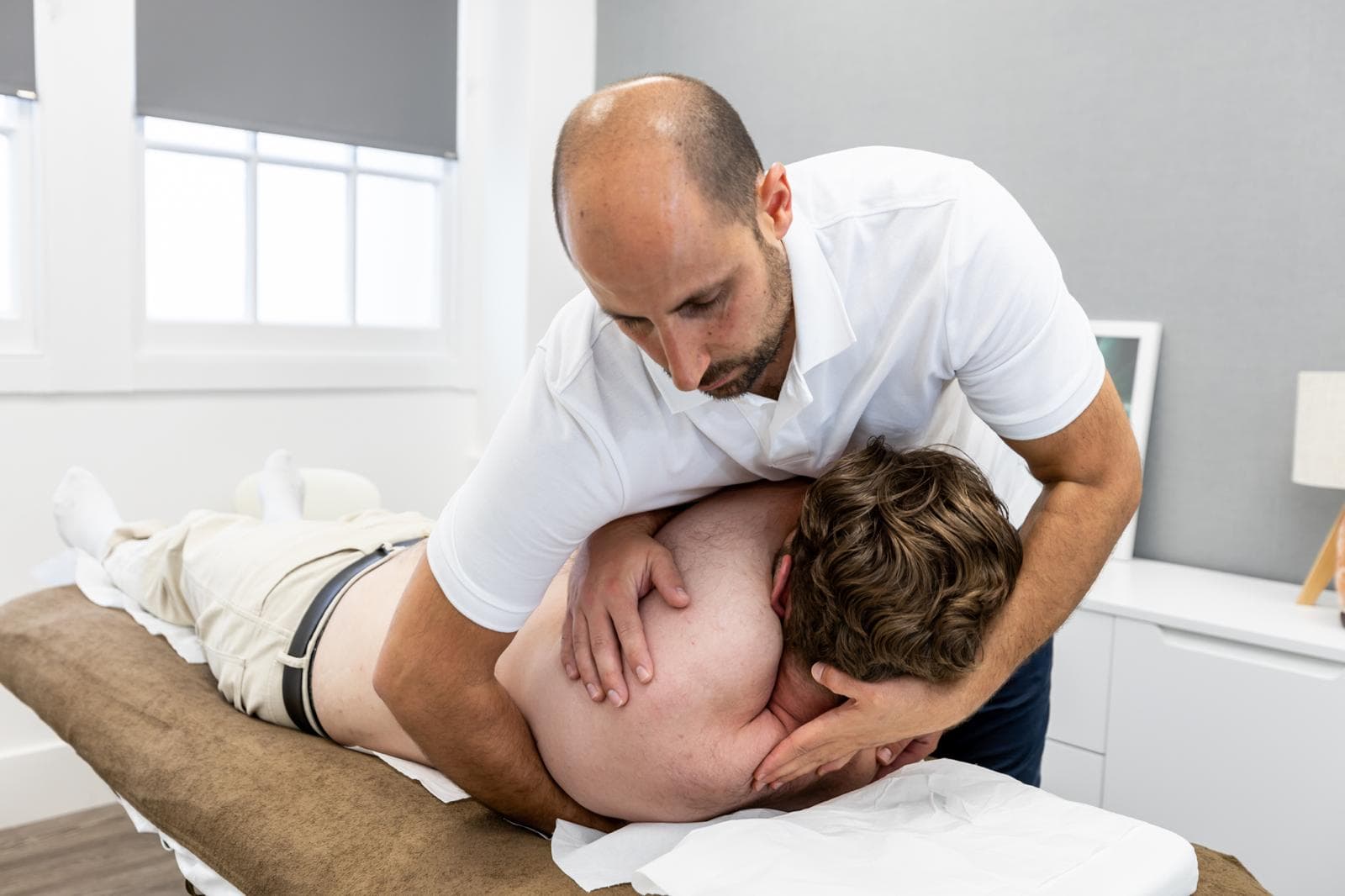
Osteopathy
Osteopathy treatments are a form of manual medicine that treats the muscular skeletal system including muscles, ligaments, nerves, joints and problems related to its function.
Learn more →More from the blog
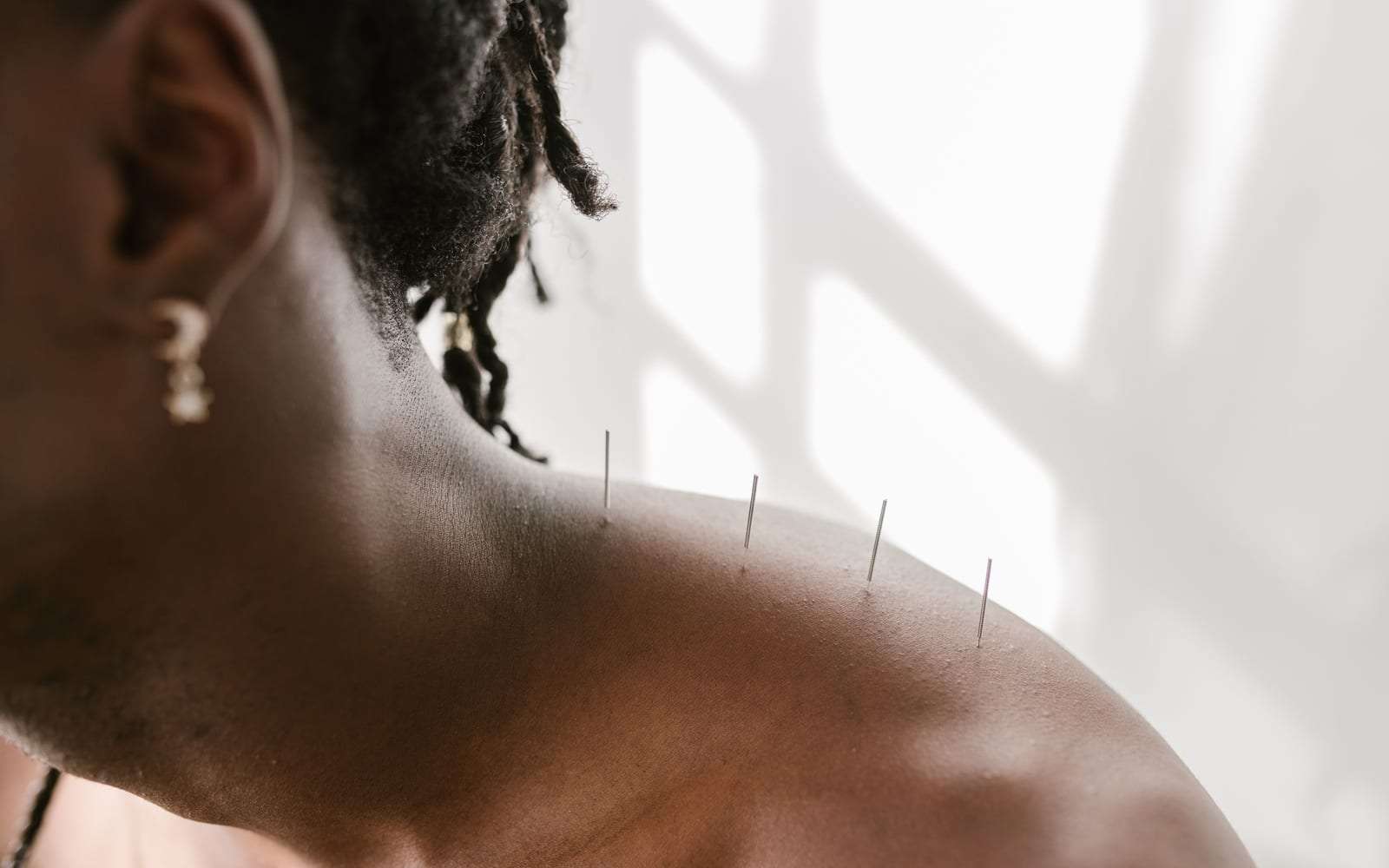
Dry Needling in Aberdeen: What It Is, What It Feels Like, and What the Evidence Supports
Dry needling in Aberdeen explained: what it is, how it differs from acupuncture, what the needle feels like, who should not have it, and what the evidence says.

Shoulder Pain That Will Not Shift: Frozen Shoulder, Tendons and the Winter Coat Test
Frozen shoulder, a rotator cuff tendon or the neck: how to tell which is behind a shoulder that will not shift, what the NHS advises and when to see a GP.

Back Pain Offshore: Long Sits, 12-Hour Shifts and the Helicopter, and What to Do Between Trips
Why back pain follows the offshore rotation, what the NHS and NICE say helps, when to see a GP, and how to use your time ashore in Aberdeen to sort it out.
Book your appointment
Need an appointment or just have a general enquiry? Complete the form and we'll be in touch within 24 hours. If you require to be seen urgently or need some initial advice, please give us a call.