

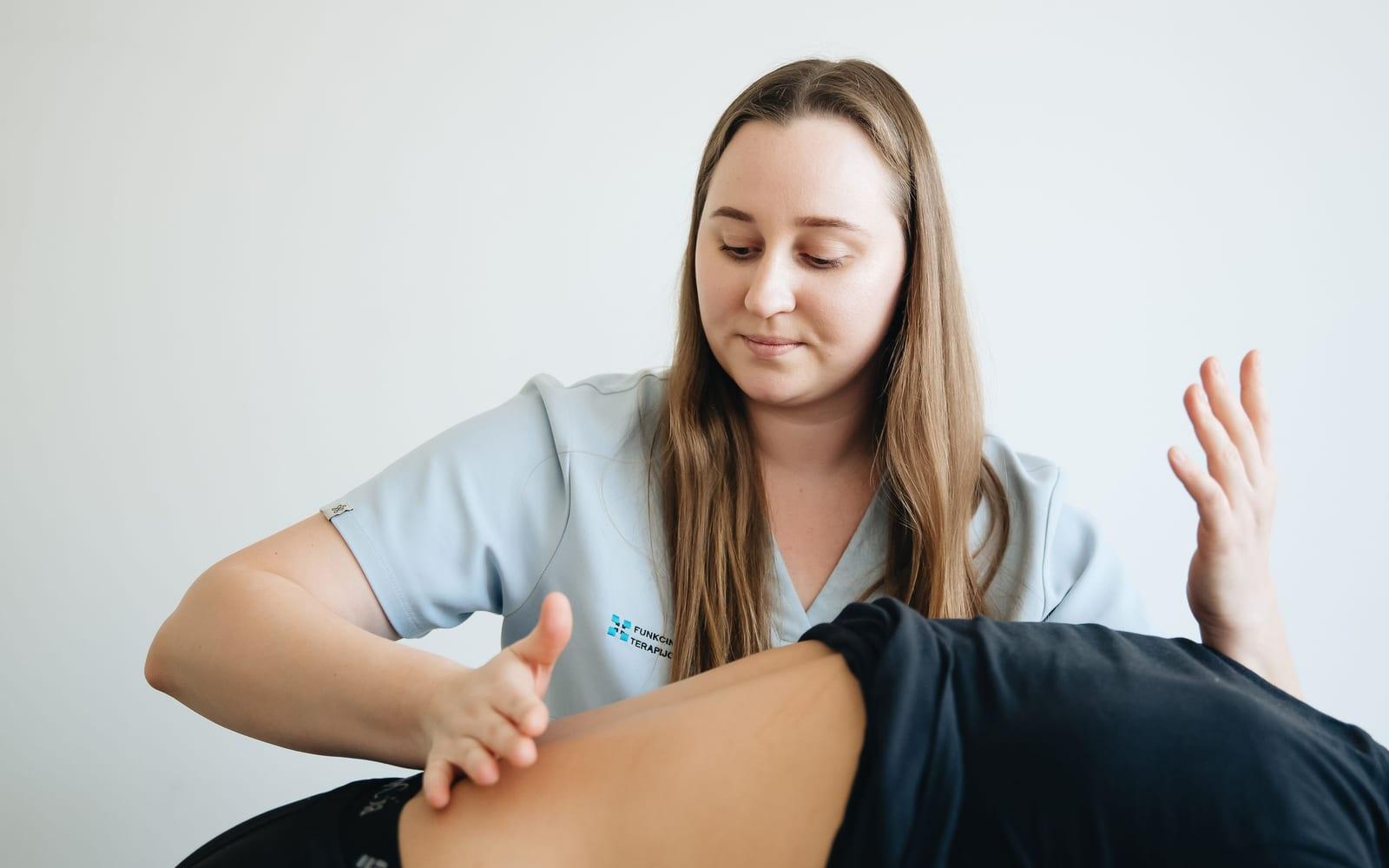
Are you tired of the persistent ache in your back that seems to have taken up permanent residence?
Back pain in the run up to Christmas? What a nightmare!
Back pain can be a formidable adversary, impacting not only your physical well-being but also your overall quality of life. If you’ve been searching for effective solutions beyond temporary relief, it’s time to think about how an osteopath could help.
Understanding Osteopathy
Osteopathy is a holistic approach to healthcare that focuses on the links between the body’s structure and how it works. Osteopaths are trained professionals who use hands-on techniques to diagnose, treat, and prevent a wide range of issues, including back pain.

Personal Assessment
The first step to finding relief is a comprehensive assessment. Osteopaths take the time to understand your medical history, lifestyle, how your working situation could contribute to the issues you are having and the specific characteristics of your back pain. This personal review allows them to identify the root causes of your discomfort, rather than merely addressing symptoms.
Hands-On Treatment
Osteopathic treatment often involves hands-on techniques, such as soft tissue manipulation, stretching, and joint mobilisation. These gentle, targeted methods aim to improve the mobility of your spine, alleviate muscle tension, and enhance blood flow to the affected area.
Spinal Alignment
A key focus of osteopathy is restoring proper alignment to the spine. Osteopaths use precise adjustments to realign vertebrae, promoting better posture and reducing stress on surrounding tissues. This not only addresses existing pain but also works to prevent future issues.
Lifestyle Advice
Beyond manual therapy, osteopaths provide valuable insights into lifestyle modifications that can contribute to your overall well-being. This may include recommendations for ergonomic improvements, exercises to strengthen supporting muscles, and advice on maintaining a healthy posture in your daily activities or whilst you are work, especially if you sit at a desk all day!
Patient Independence
One of the strengths of osteopathic care is the emphasis on patient education and empowerment. Osteopaths work collaboratively with you, explaining the nature of your condition and involving you in the development of a personalised treatment plan. This approach fosters a sense of ownership over your health and encourages long-term well-being.
Long-Term Benefits
While some individuals experience immediate relief after an osteopathic session, the true value lies in the long-term benefits. Ongoing treatment and a commitment to the prescribed exercises and lifestyle changes can contribute to lasting improvements, reducing the recurrence of back pain.
Is Osteopathy Right for You?
If you’ve been grappling with persistent back pain and are seeking a comprehensive, personal approach, osteopathy could be the solution you’ve been looking for.
Get in touch today and let's get you pain free for Christmas!

Related conditions
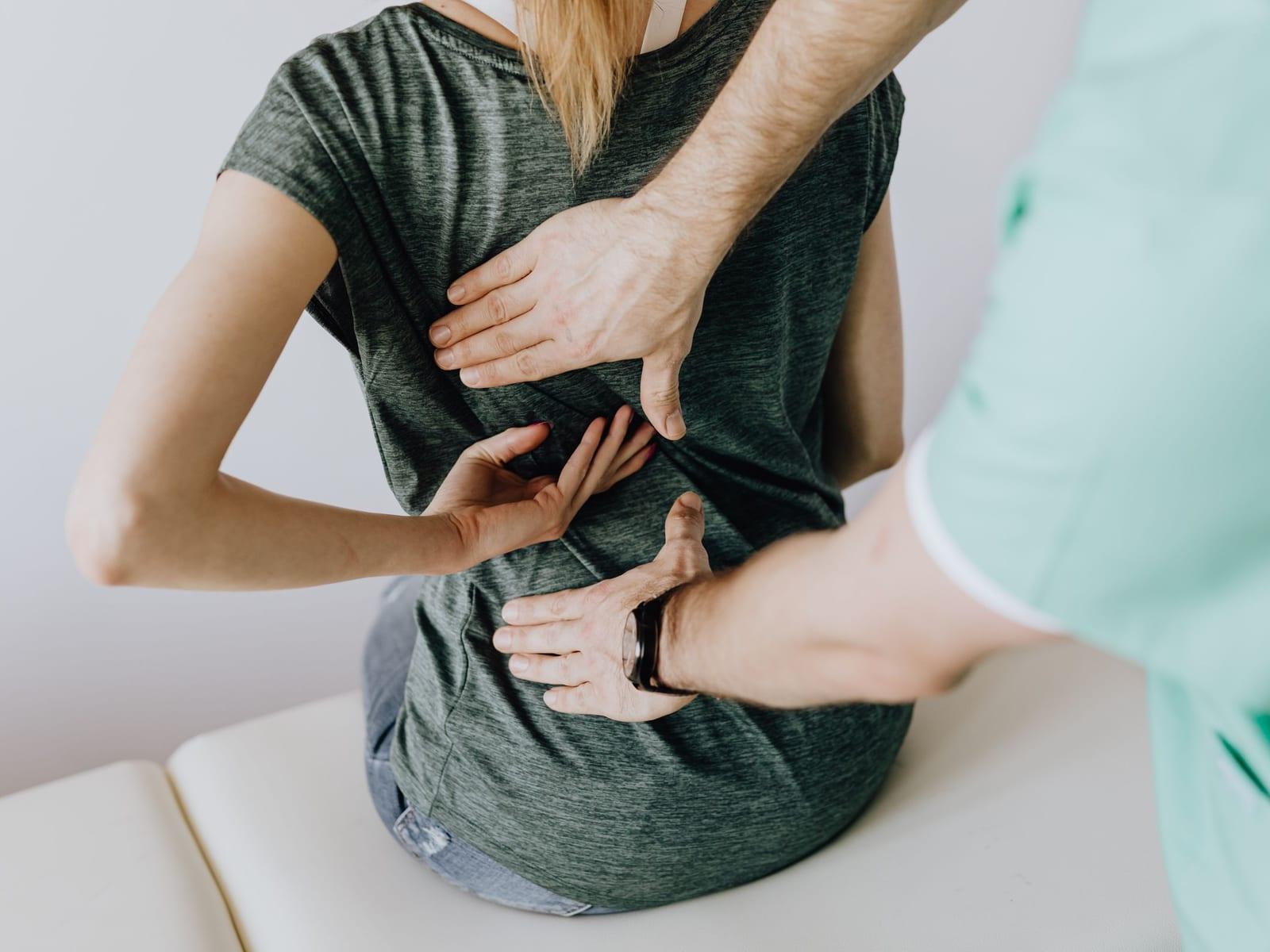
Back Pain
Back pain is the most common reason people come to see us. Most of it settles with the right advice, movement and hands-on treatment, and a proper assessment tells you which kind you have.
About back pain →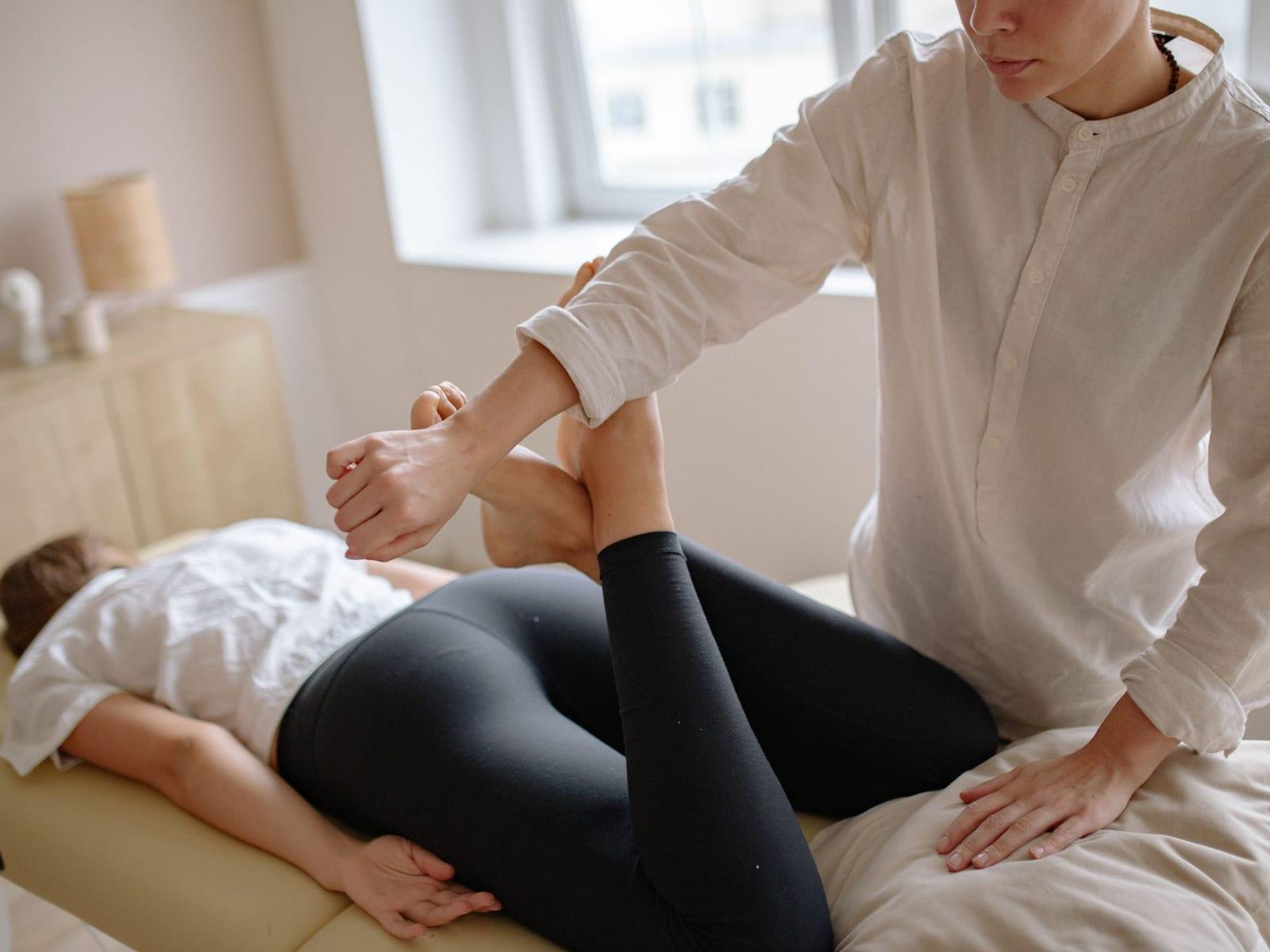
Sciatica
Sciatica is pain that runs from the lower back or buttock down the leg, caused by an irritated sciatic nerve. It usually settles over weeks to months, and the right treatment and advice can make that time a lot more bearable.
About sciatica →More from the blog

Hip and Knee Pain from Osteoarthritis: Why Exercise Is the Treatment, and How Osteopathy Helps You Do It
What the NICE osteoarthritis guideline says helps hip and knee pain: exercise, weight and support first, hands-on treatment only alongside, and what not to buy.

Dry Needling in Aberdeen: What It Is, What It Feels Like, and What the Evidence Supports
Dry needling in Aberdeen explained: what it is, how it differs from acupuncture, what the needle feels like, who should not have it, and what the evidence says.

Shoulder Pain That Will Not Shift: Frozen Shoulder, Tendons and the Winter Coat Test
Frozen shoulder, a rotator cuff tendon or the neck: how to tell which is behind a shoulder that will not shift, what the NHS advises and when to see a GP.
Book your appointment
Need an appointment or just have a general enquiry? Complete the form and we'll be in touch within 24 hours. If you require to be seen urgently or need some initial advice, please give us a call.