

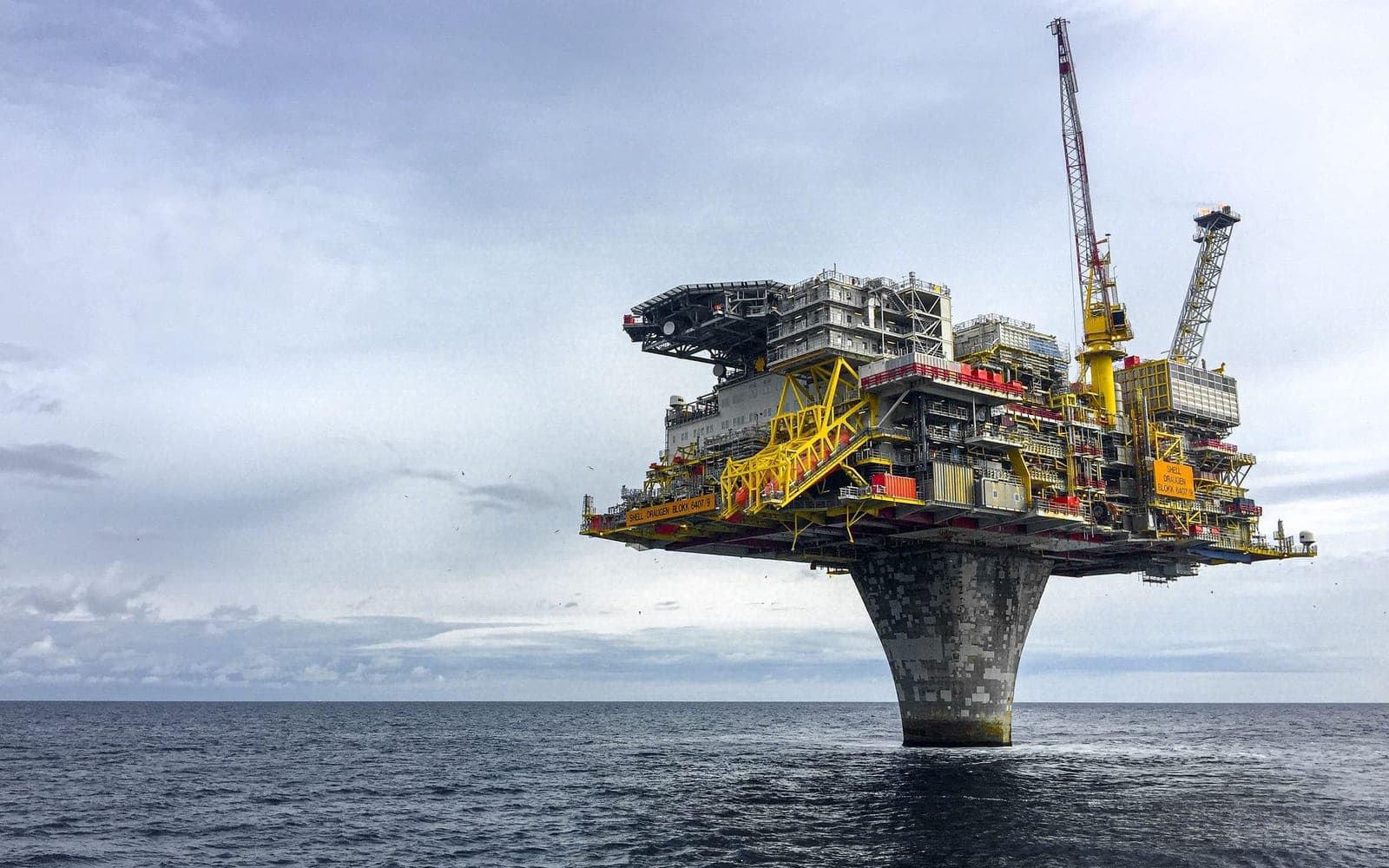
If you searched "offshore worker back pain" from a cabin somewhere east of Aberdeen, or from the sofa on your first day home, this is written for you. Aberdeen's oil and gas workforce lives by a rhythm no other job has: typically two or three weeks on, 12-hour shifts, a helicopter out and back, then the same number of weeks at home. That rhythm is hard on a back, and it shapes when you can get it treated. This guide sets out why the rotation hurts, what the NHS says to do on the platform, what the NICE guidance for low back pain (updated 29 July 2026) says genuinely helps, the symptoms that need a doctor, and how to use your time ashore.
Why the rotation is hard on a back
Start with the journey: an hour or more strapped upright in a survival suit. Then the shifts, twelve hours a day, every day, standing on steel decks or sitting in a control room, the same tasks in the same positions. Then sleep in a bunk that is not your bed. Then the lack of ordinary movement: no walk to the shop, no stairs, no garden. This post gives no statistic for offshore back injury, because there is none we can cite from a source we trust.
The Health and Safety Executive's guidance on back pain at work matches it closely: its list of work tasks that can cause back pain includes being in one position for a long time, working when physically overtired, bending, stooping, twisting and reaching, and driving over rough ground when the seat cannot be properly adjusted. It adds that a major reason for developing back pain is having had a previous episode, particularly if it was recent.
What most offshore back pain is
Most of it is non-specific low back pain: the muscles, ligaments and joints of the lower spine objecting to load and stillness. The NHS says back pain usually improves within a few weeks but can sometimes last longer or keep coming back. Pain running down one leg below the knee is more likely to be sciatica; our post on sciatica or just back pain tells them apart, and the back pain page covers the rest.
What to do on the platform
The NHS advice is the opposite of what the pain tells you to do. Stay active and try to continue with your daily activities; do not stay in bed for long periods. Take an anti-inflammatory such as ibuprofen if it suits you, checking with a pharmacist if unsure; paracetamol on its own is not recommended for back pain. Use an ice pack wrapped in a tea towel for pain and swelling, or a heat pack for stiffness or muscle spasm, and try some exercises and stretches for back pain.
Offshore, that means using what is there. Most platforms have a gym, and a short session on the bike after a shift does more for a sore back than lying in the bunk. Stand up every half hour in the control room. Tell the platform medic, who can advise on painkillers and on whether you should be working.
What NICE says actually helps
NICE guideline NG59 covers low back pain and sciatica in people over 16 and was last updated on 29 July 2026. Its starting point is self-management: advice tailored to the person, with encouragement to continue with normal activities. It says to consider a group exercise programme for a flare-up, to promote and facilitate return to work or normal activities of daily living, and not to offer belts or corsets, traction, acupuncture or TENS.
On hands-on treatment the wording was tightened in the July 2026 update. NICE now says to consider manual therapy, meaning spinal manipulation, mobilisation or soft tissue techniques such as massage, "but only as part of a treatment package that includes exercise". The NHS guidance for adults is at least 150 minutes of moderate activity a week and strengthening activities on at least two days; three weeks ashore is enough to build the habit.
When to see a GP or get urgent help
The NHS says to see a GP if your back pain does not improve after treating it at home for a few weeks, if it is stopping you doing your day-to-day activities, if you are worried about the pain or struggling to cope, if you have lost weight without trying to, if there is a lump or swelling in your back, if it does not improve after resting or is worse at night, if it is worse when sneezing, coughing or pooing, or if it is coming from the top of your back rather than your lower back.
Ask for an urgent GP appointment or call 111 if you have back pain and feel hot, cold, shivery or generally unwell, or if it is severe pain that starts suddenly or is getting worse quickly. Call 999 or go to A&E if you have back pain and any of these:
- pain, tingling, weakness or numbness in both legs
- a loss of feeling around your genitals or anus
- changes in your bladder or bowels, such as difficulty peeing, or peeing or pooing yourself
- chest pain
- it started after a serious accident, such as a car accident
Using the time ashore
Osteopathy could help with general, acute and chronic back pain and lumbago, all on the list the Advertising Standards Authority accepts osteopathy can help with. At the clinic that means an assessment first, hands-on treatment for the stiff segments and tight muscles, and exercises built around your rotation, which is how NICE says manual therapy should be used; the osteopathy page describes a first appointment. Sports massage and rehabilitation suits people who do heavy manual work and want firmer work on the muscles between trips.
Book early in your time ashore, so there is room for a follow-up before you fly. A first visit, including the consultation, is £80 and continuing treatment is £70; sports massage is £52 for 45 minutes or £68 for 60 minutes. The clinic is recognised by Aviva, WPA and Cigna. No referral is needed. Book an appointment online or call 01224 707877; the clinic is at 24 Ellon Road, Bridge of Don, with free parking.
Sources
- NHS: back pain
- NICE guideline NG59: low back pain and sciatica in over 16s, recommendations
- Health and Safety Executive: back pain at work
- NHS: physical activity guidelines for adults aged 19 to 64
- Committee of Advertising Practice: health, osteopathy (the accepted conditions list)
This article is general information, not personal medical advice. If you are worried about a symptom, see your GP or call NHS 24 on 111, and offshore, see the medic.
Related treatments
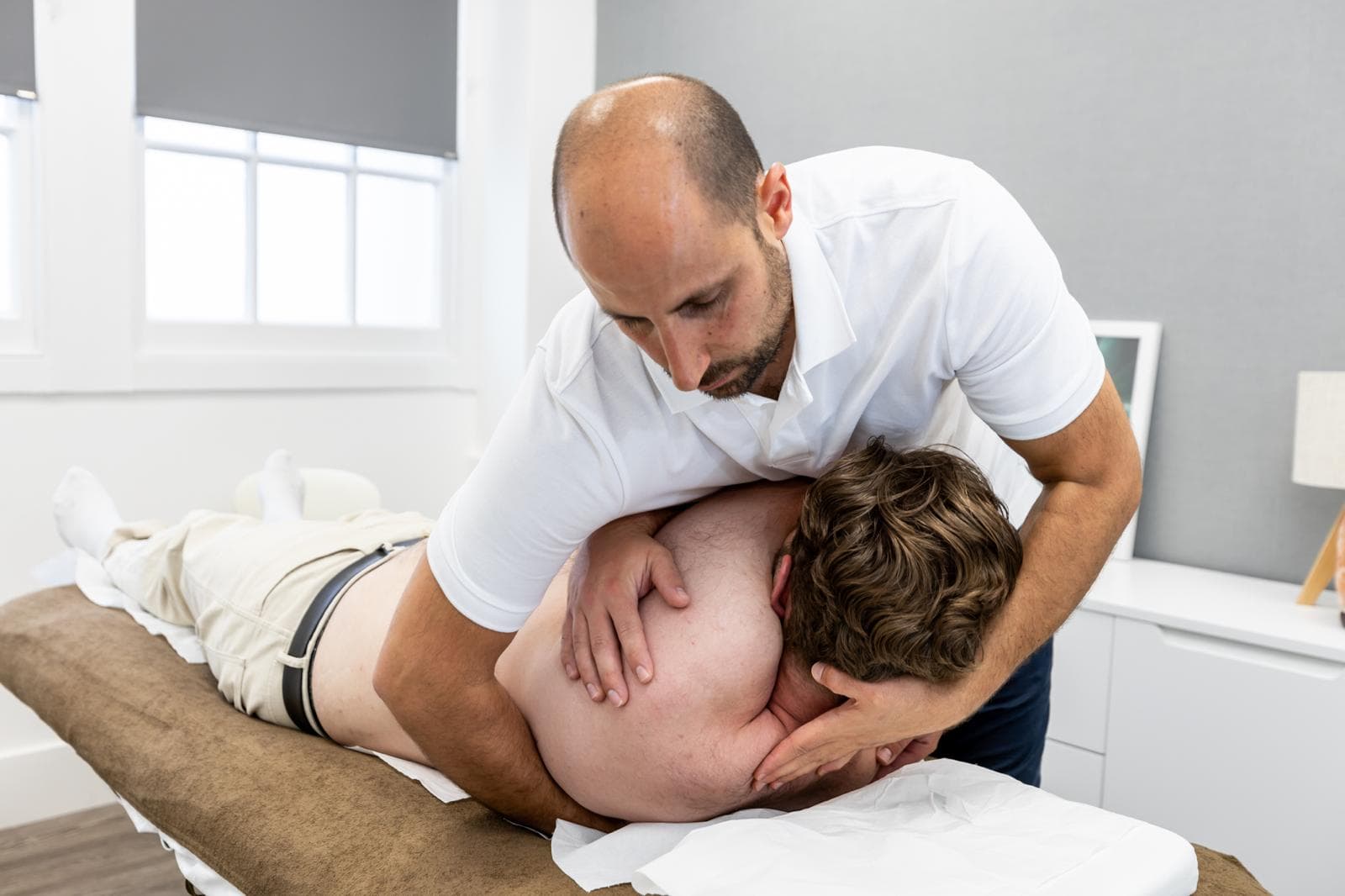
Osteopathy
Osteopathy treatments are a form of manual medicine that treats the muscular skeletal system including muscles, ligaments, nerves, joints and problems related to its function.
Learn more →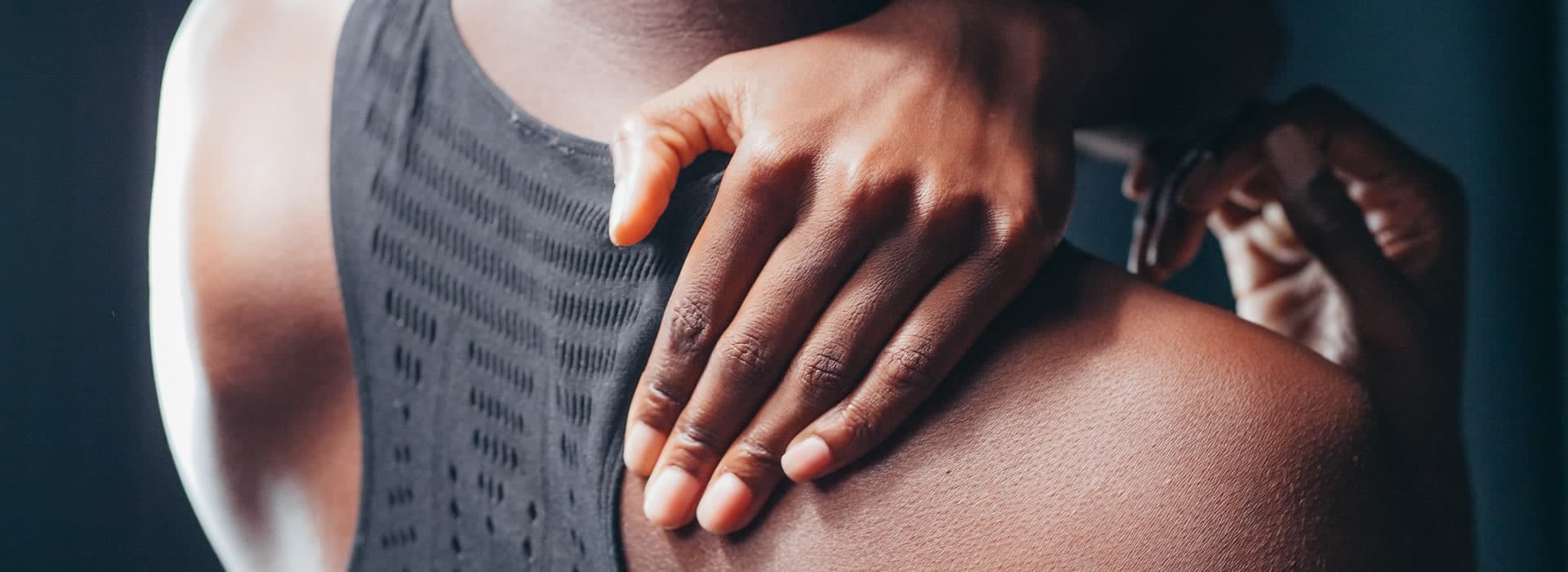
Sports Massage & Rehabilitation
Most sporting activities can contribute to muscle groups becoming repetitively overused which in turn can result in dysfunction developing within the soft tissue. Sports massage is beneficial to incorporate into any level of training regime.
Learn more →More from the blog
Clocks Back, Neck Forward: Desk Posture and the Dark-Evening Neck Pain
Why neck pain at the desk gets worse once the clocks go back, what the NHS says to do about it, when to see a GP, and how an osteopath in Aberdeen could help.
Using Your Health Insurance for Osteopathy in Aberdeen: Aviva, WPA and Cigna Explained
How to use Aviva, WPA or Cigna health insurance for osteopathy in Aberdeen: referrals, authorisation, excesses and limits, and what to tell us when you book.
Sciatica or Just Back Pain? How to Tell, and What the NICE Guidance Says Actually Helps
How to tell sciatica from ordinary back pain, the signs that need A&E today, what the NICE guidance recommends and rules out, and how an osteopath can help.
Book your appointment
Need an appointment or just have a general enquiry? Complete the form and we'll be in touch within 24 hours. If you require to be seen urgently or need some initial advice, please give us a call.