

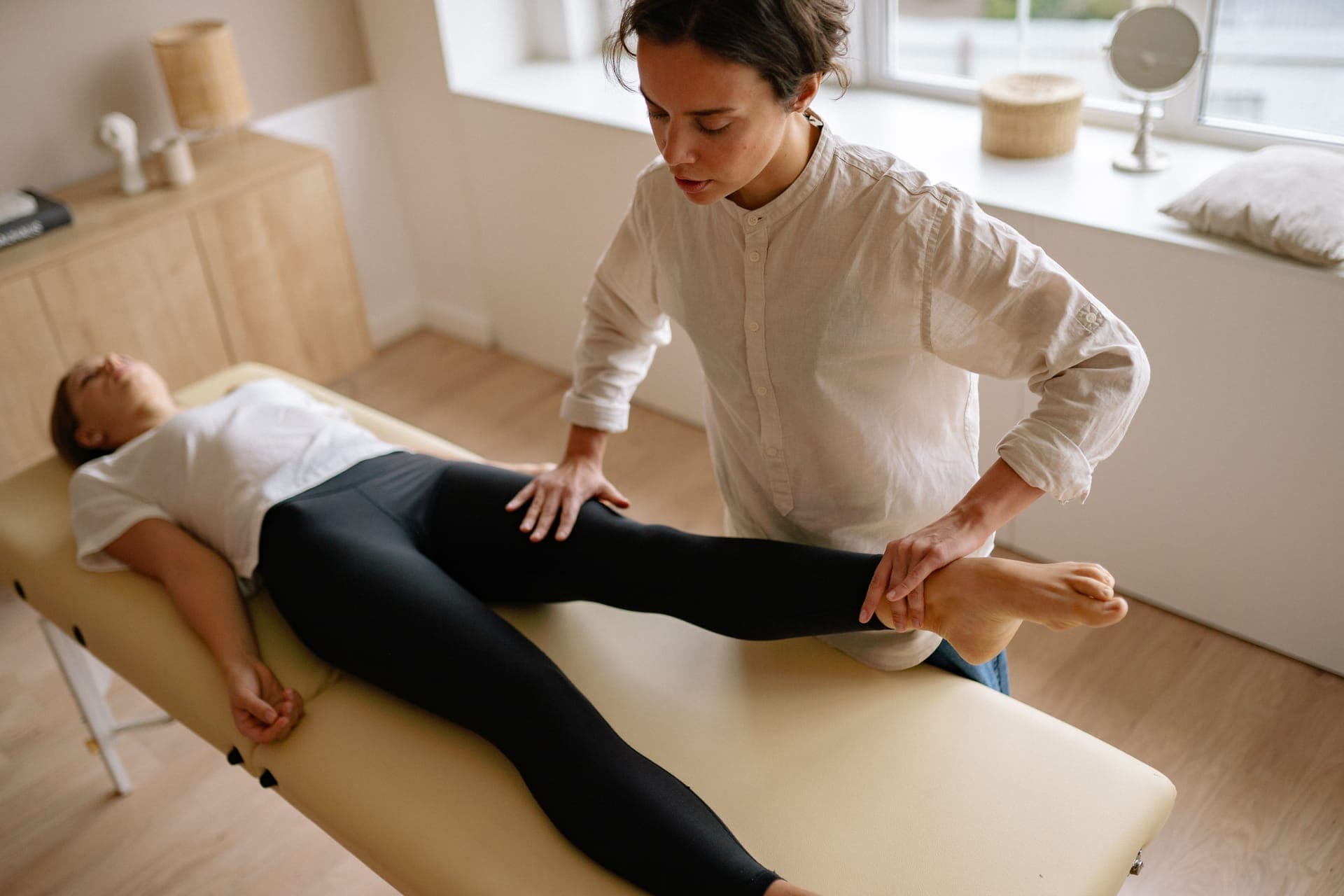
Osteopathy and physiotherapy are two separate, regulated healthcare professions in the UK. Osteopaths are regulated by the General Osteopathic Council (GOsC) under the Osteopaths Act 1993, while physiotherapists are regulated by the Health and Care Professions Council (HCPC). They often treat similar problems, such as back and joint pain, but they train differently and approach treatment differently. This guide looks specifically at how physiotherapy compares with osteopathy, so you can decide which is the right starting point for you.
Who regulates osteopaths and physiotherapists?
"Osteopath" is a protected title in the UK. Since the Osteopaths Act 1993, it has been against the law for anyone to call themselves an osteopath unless they are registered with the GOsC, which sets standards for education, conduct and safety, and can prosecute unregistered practitioners who use the title. Osteopathic training is at degree level, and the GOsC notes that full-time programmes typically take up to four years, including at least 1,000 hours of supervised clinical training, alongside subjects such as anatomy, physiology and pathology.
Physiotherapy is also a degree-level, statutorily regulated profession, and physiotherapists must be registered with the HCPC. The NHS advises checking that a private physiotherapist is chartered (MCSP) and registered with the Health and Care Professions Council before you book.
How does the approach differ?
Osteopathy takes a hands-on, whole-body approach. An osteopath examines how different parts of the body move together and may use soft tissue massage, stretching and joint mobilisation, considering areas away from the painful spot as well as the site of pain itself. A single session usually combines assessment and treatment.
Physiotherapy typically centres on exercise-based rehabilitation. The NHS describes physiotherapy treatment as including exercises to improve joint movement and strengthen muscles, manual therapy, advice on managing symptoms, and modalities such as ultrasound therapy, TENS or hydrotherapy. You will often be given exercises to continue at home between appointments. Physiotherapists also work across a broader range of conditions than osteopaths, including recovery after surgery, neurological conditions and breathing problems, whereas osteopathy in the UK focuses on musculoskeletal complaints such as back and neck pain, joint pain and minor sports injuries.
Neither approach is better for every complaint; the right choice depends on the problem, what treatment style suits you, and what is available to you locally.
Osteopath or physio: how do I choose?
There is no single rule. Some people prefer a hands-on session and choose osteopathy; others want a structured, exercise-led rehabilitation plan and choose physiotherapy. Some conditions, particularly rehabilitation after surgery, a neurological condition, or a problem needing a specific exercise programme, are more typically physiotherapy's territory. Others, such as general back or neck pain, joint pain or muscle tension, fall within what both professions commonly see.
If you are not sure which applies to you, your GP can advise, or you can ask either professional directly whether your problem is one they would expect to help with, and what their first appointment would involve. Cost, appointment availability and whether you would rather self-refer privately or go through the NHS can also be part of that decision.
We have also written separately about how osteopathy compares with other manual therapies and how osteopathy differs from chiropractic, if you are weighing up your options more broadly.
Can I get physiotherapy or osteopathy on the NHS?
You can get physiotherapy free on the NHS, though there may be a long waiting list. In many areas you can refer yourself to NHS community musculoskeletal (MSK) services without going through a GP first. In Grampian specifically, physiotherapy services can be accessed by self-referral using the form on the MSK Physio Grampian website, an NHS Grampian service.
Osteopathy is mostly a private service. The General Osteopathic Council notes that most osteopaths work in private practice, though some NHS-funded osteopathic treatment is available in certain areas; ask your GP or local health board whether that applies where you live.
When to see your GP instead
If your symptoms are severe, getting worse, associated with a fever, or you are simply unsure what is causing them, see your GP before booking either therapy. A good osteopath or physiotherapist will also check for signs that need medical investigation and refer you on if they find any.
How Aberdeen Osteopathy Clinic can help
Abdul Abu-Laban is a GOsC-registered osteopath (registration number 6294), based at Aberdeen Osteopathy Clinic, 24 Ellon Road, Bridge of Don, Aberdeen. You do not need a GP referral to book a private appointment: a first visit, including consultation, costs £80. You can find out more about the osteopathy treatments on offer, or book an appointment directly.
Frequently asked questions
Is osteopathy the same as physiotherapy?
No. They are separate regulated professions, the GOsC for osteopaths and the HCPC for physiotherapists, with different training and typical treatment styles, though there is some overlap in the problems they see.
How do I know if I need a physio or an osteopath?
It often comes down to personal preference and the nature of your problem. If you are recovering from surgery or want a structured exercise programme, physiotherapy may suit you. If you prefer hands-on treatment, osteopathy may suit you. If you are unsure, ask your GP.
What are the potential downsides of osteopathy?
Osteopathy is not right for every condition. A registered osteopath will check for signs of anything that needs medical investigation, such as a suspected fracture or an underlying illness, and refer you to your GP or hospital rather than treat it themselves.
Can I self-refer to physiotherapy in Grampian?
Yes. NHS Grampian's physiotherapy service can be accessed by self-referral through the MSK Physio Grampian website, without needing to see your GP first.
Sources
- NHS: Physiotherapy
- General Osteopathic Council: Legal framework (Osteopaths Act 1993)
- General Osteopathic Council: Protecting the title 'osteopath'
- General Osteopathic Council: Standards of education and training
- General Osteopathic Council: NHS vs private treatment
- NHS inform: How to access MSK services
This article is general information, not a diagnosis or personal medical advice. If you are unsure about your symptoms, speak to your GP or NHS 111.

Related treatments
Related conditions

More from the blog
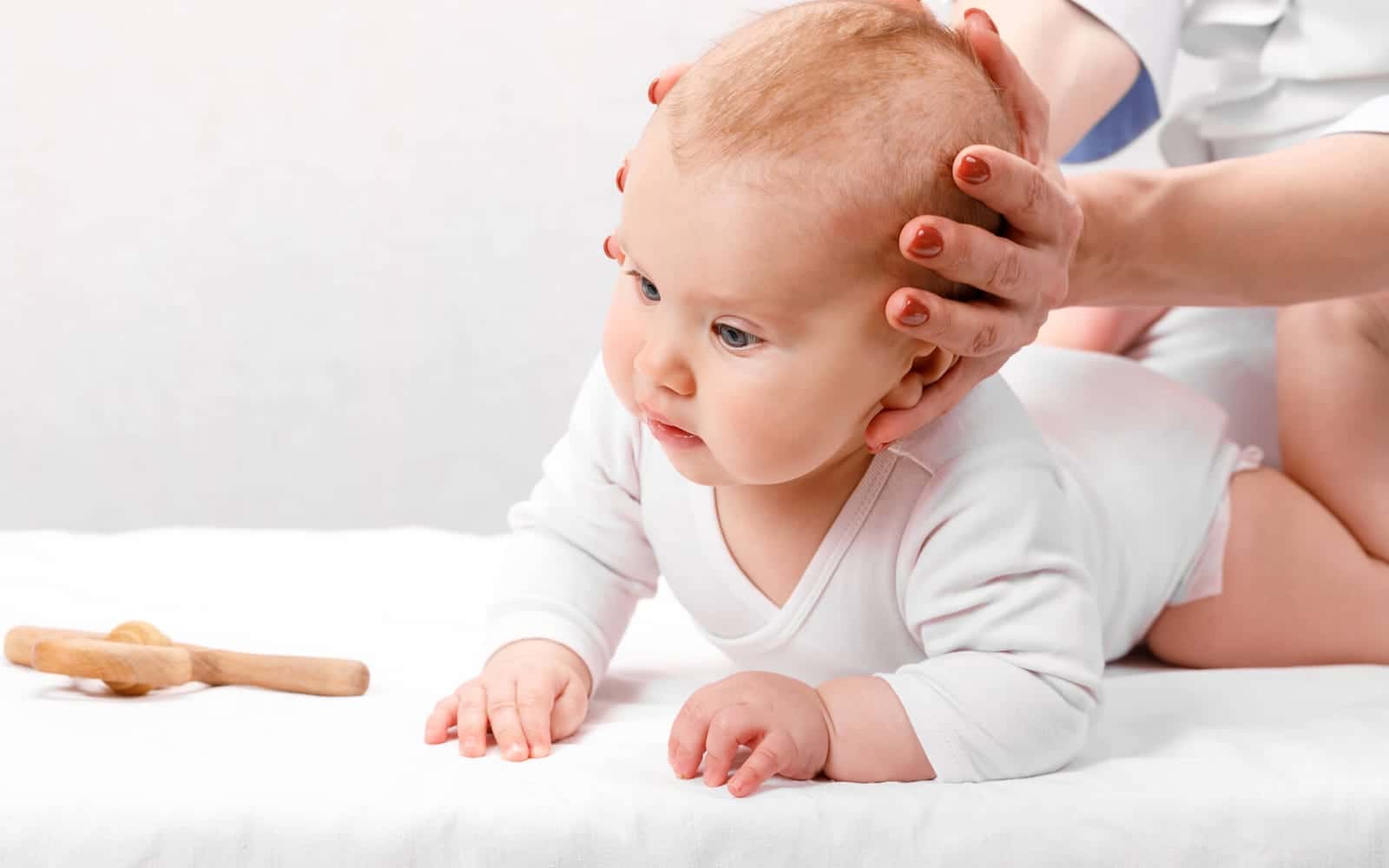
Osteopathy for Babies and Children in Aberdeen: A Parent's Guide
How osteopathy for babies and children works, the gentle techniques used, how it may help, what we will not claim, when to see your GP, and what a visit costs.

Vitamin D in Scotland: Why the NHS Says Take a Supplement from October to March
From October to March the sun in Scotland is too weak to make vitamin D. What the NHS advises, who needs a supplement all year, and how much is too much.
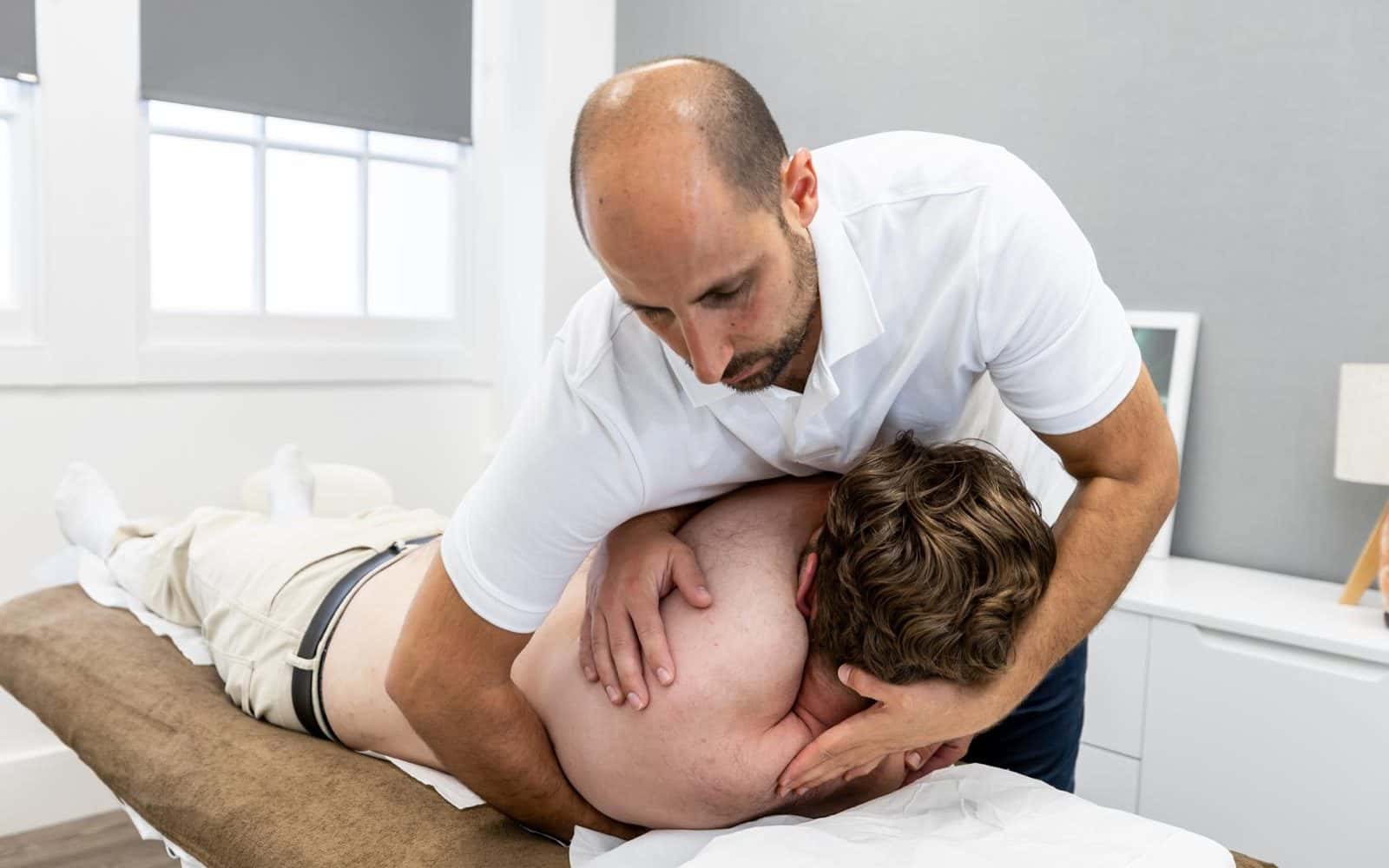
How to Choose an Osteopath in Aberdeen: the Register, Insurance and Five Questions to Ask
How to check the GOsC register, what registration guarantees, how health insurance works, and five questions to ask before you book an osteopath in Aberdeen.
Book your appointment
Need an appointment or just have a general enquiry? Complete the form and we'll be in touch within 24 hours. If you require to be seen urgently or need some initial advice, please give us a call.