

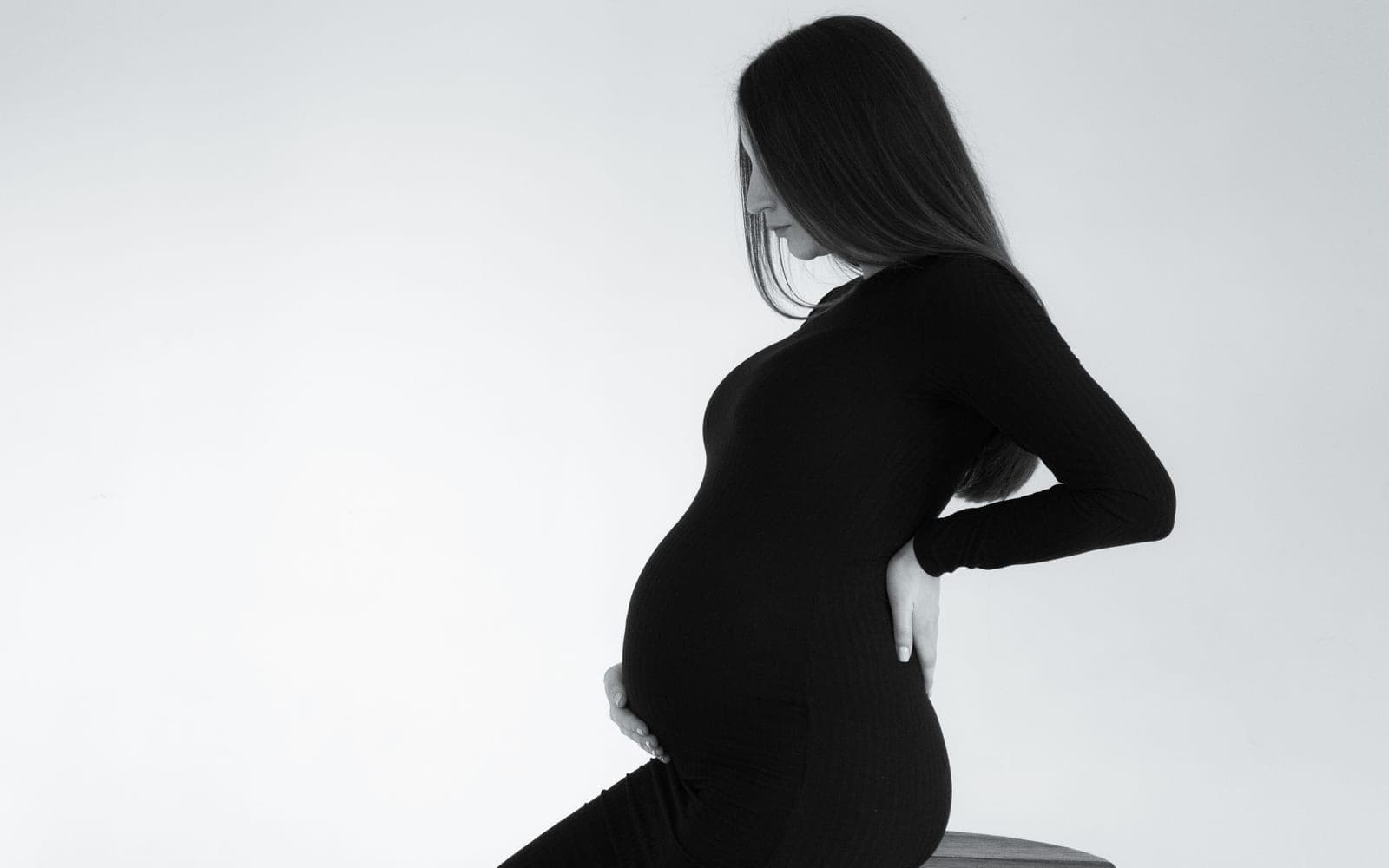
Back pain in pregnancy is very common, especially as your bump grows and the ligaments in your body soften and stretch to prepare you for labour. For most women it eases with posture changes, gentle movement, rest and support, and some also find osteopathy helpful. A small number of symptoms need urgent advice from your midwife or GP, which we cover below.
What causes back pain in pregnancy?
As your pregnancy progresses, your body releases hormones that naturally soften your ligaments so your pelvis can prepare for birth. This is a normal part of pregnancy, but it can put extra strain on the joints of your lower back and pelvis, which is why backache is so common, particularly in the early stages and again as your bump grows later on.
What helps back pain in pregnancy?
The NHS suggests a few simple, safe habits that make a real difference for most women:
- Bend your knees and keep your back straight when lifting or picking something up from the floor, and avoid lifting heavy objects altogether where you can.
- Move your feet when you turn, rather than twisting your spine.
- Wear flat, supportive shoes, and if you carry shopping, try to balance the weight between two bags.
- Sit with your back straight and well supported. A maternity support pillow can help.
- Rest when you need to, particularly later in pregnancy, and try a warm bath or a gentle massage.
- Use a mattress that supports you properly. A piece of hardboard under a soft mattress can help firm it up.
- A back care class, whether in a group or one-to-one, can also help.
Paracetamol can be used to ease back pain in pregnancy unless your GP or midwife tells you otherwise. If your back pain is very painful, ask your GP or midwife about a referral to an obstetric physiotherapist, who can give tailored advice and exercises.
Is osteopathy safe during pregnancy?
Osteopaths are statutorily regulated healthcare professionals, registered with the General Osteopathic Council (GOsC), and are trained to adapt their approach to a wide range of patients, including pregnant women. Back pain is one of the most common problems osteopaths help with, and an osteopath can adapt their assessment and treatment to your stage of pregnancy.
As with any manual therapy, there can be minor after-effects, such as feeling a little sore after some techniques, and a good osteopath will always explain the likely benefits and any risks before treating you. It is worth being upfront: tell your osteopath that you are pregnant and roughly how many weeks along you are at the start of your appointment, so they can adapt their examination, positioning and the techniques they use accordingly.
It is also worth being clear about what osteopathy is for. Osteopaths do not treat pregnancy or conditions specific to it. What they offer is the same thorough assessment and hands-on care they would give anyone with back pain, adapted for your stage of pregnancy. Osteopathy is not a substitute for your antenatal care, and any pregnancy-specific concerns should always go to your midwife or GP first.
What about pelvic girdle pain?
Pain around the pelvis is also common in pregnancy. The NHS calls this pregnancy-related pelvic girdle pain (PGP), sometimes known as symphysis pubis dysfunction, and it is thought to affect up to 1 in 5 pregnant women to some degree. It can cause pain over the pubic bone, across one or both sides of the lower back, or spreading into the thighs, and it tends to be worse with walking, stairs, turning over in bed or getting out of a car.
If any of this sounds familiar, speak to your midwife or GP, particularly if it is hard to move around, painful to get out of a car or turn over in bed, or painful on stairs. The NHS usually manages PGP through a physiotherapist who specialises in pelvic joint problems, who can offer exercises and, if needed, equipment such as a support belt or crutches. Where your main symptom is genuinely back pain rather than pelvic joint pain, that is the kind of everyday backache an osteopath can assess and help you manage alongside your midwife-led care, not instead of it.
When to get urgent medical help
Most back pain in pregnancy is not a sign of anything serious, but the NHS is clear that a few symptoms need prompt attention. Contact your GP or midwife urgently if you have back pain and:
- you are in your second or third trimester, as this can occasionally be an early sign of labour
- you also have a fever, vaginal bleeding, or pain when you pee
- you have pain in one or both sides, under your ribs
Call 999 or go to A&E immediately if you have back pain and lose feeling in one or both legs, your bottom, or your genitals.
Full details are on the NHS page on back pain in pregnancy.
How Aberdeen Osteopathy Clinic can help
Abdul Abu-Laban is a GOsC-registered osteopath (registration number 6294) based at our clinic in Bridge of Don, Aberdeen. You do not need a GP referral to book an appointment, and your first visit, including a full consultation, is £80. Abdul will take a full history, ask about your pregnancy, and explain what he finds and what to expect before any hands-on osteopathy treatment begins.
If you are looking for something more purely relaxing rather than assessment-led, our pregnancy massage is a deeply relaxing treatment tailored to your stage of pregnancy. You can see full details of our current fees on our prices page, or book now to arrange a visit.
Frequently asked questions
Is back pain normal in the third trimester of pregnancy?
Yes, it is common as your bump grows and your ligaments continue to soften. The self-help tips above can ease it for most women. Contact your midwife if it becomes severe, does not settle, or you notice any of the red-flag symptoms listed above.
Can back pain mean labour is starting?
It can be one of several signs, which is why the NHS advises contacting your GP or midwife urgently if you are in your second or third trimester and have back pain, especially alongside other symptoms such as bleeding, fever or pain when you pee. If you are ever unsure, it is always best to call and check rather than wait.
Do I need a GP referral to see an osteopath while pregnant?
No. You can book directly with a registered osteopath, without a referral from your GP or midwife. It is still worth telling your midwife that you are seeing one.
Should I choose pregnancy massage or osteopathy for back pain?
They do different things. Pregnancy massage is a relaxing, restorative treatment, while osteopathy involves a fuller assessment aimed at easing musculoskeletal back pain. Mention your main goal when you book and we can point you the right way.
Sources
- NHS: Back pain in pregnancy
- NHS: Pelvic pain in pregnancy
- General Osteopathic Council: Is osteopathy safe?
This article is general information, not a diagnosis or personal medical advice. If you are unsure about your symptoms, speak to your GP, midwife or NHS 111.

Related treatments
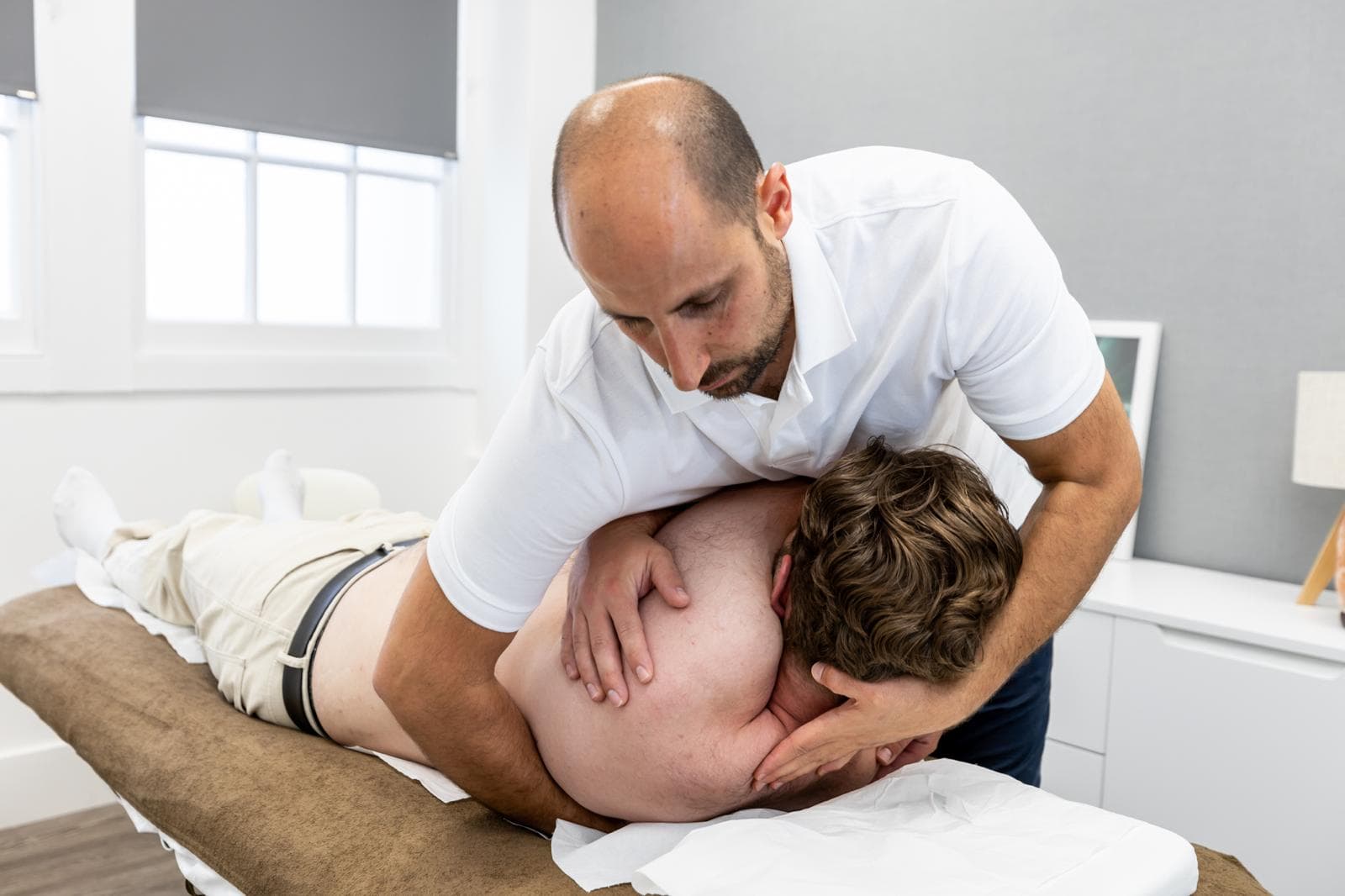
Osteopathy
Osteopathy treatments are a form of manual medicine that treats the muscular skeletal system including muscles, ligaments, nerves, joints and problems related to its function.
Learn more →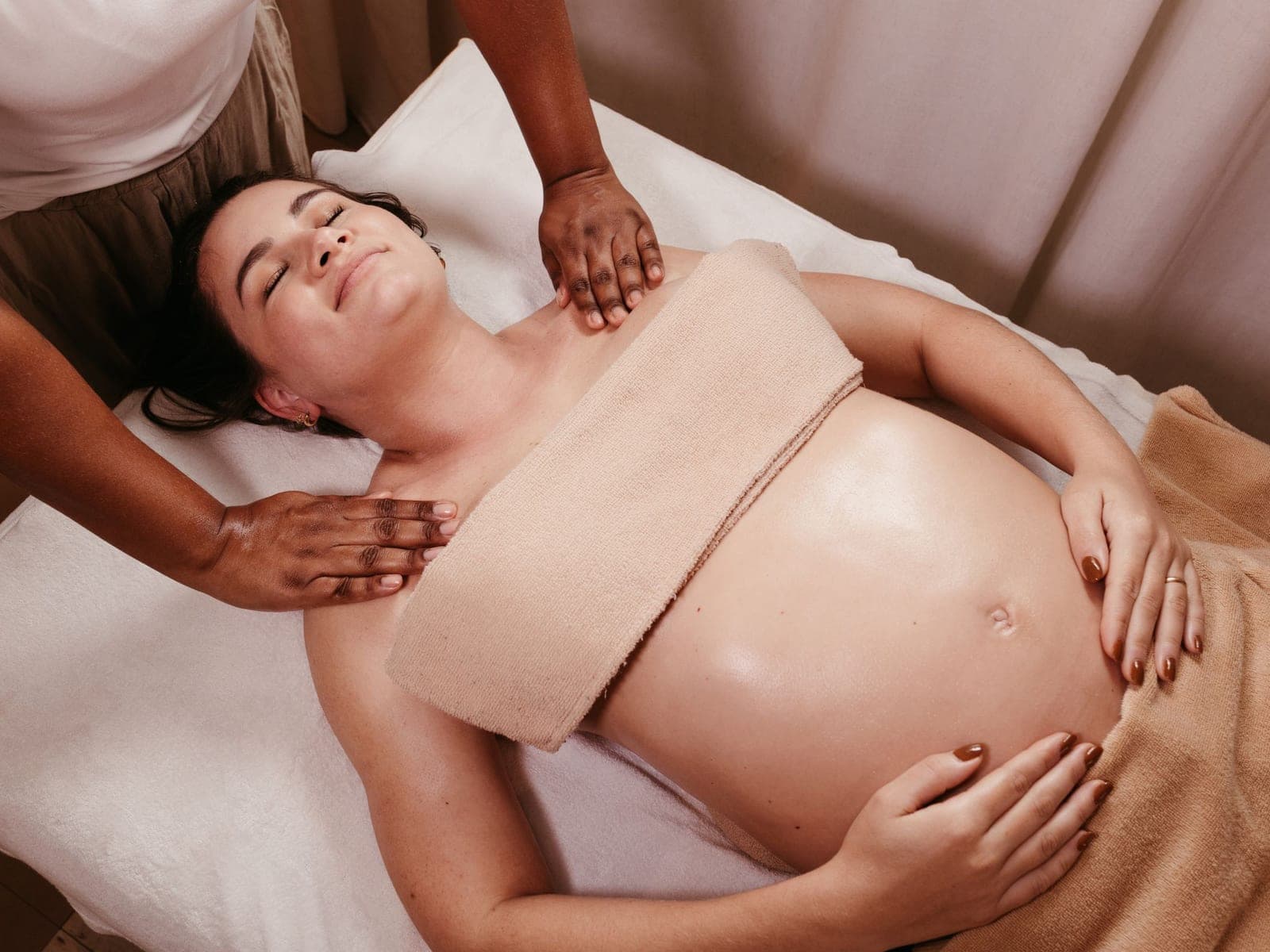
Pregnancy Massage
Pregnancy Massage is a deeply relaxing and restorative treatment tailored entirely to your needs and your stage in pregnancy.
Learn more →Related conditions
More from the blog
Osteopathy for Babies and Children in Aberdeen: A Parent's Guide
How osteopathy for babies and children works, the gentle techniques used, how it may help, what we will not claim, when to see your GP, and what a visit costs.

Vitamin D in Scotland: Why the NHS Says Take a Supplement from October to March
From October to March the sun in Scotland is too weak to make vitamin D. What the NHS advises, who needs a supplement all year, and how much is too much.
How to Choose an Osteopath in Aberdeen: the Register, Insurance and Five Questions to Ask
How to check the GOsC register, what registration guarantees, how health insurance works, and five questions to ask before you book an osteopath in Aberdeen.
Book your appointment
Need an appointment or just have a general enquiry? Complete the form and we'll be in touch within 24 hours. If you require to be seen urgently or need some initial advice, please give us a call.