


Chronic back pain is pain that has lasted three months or longer, and it is one of the most common reasons people see an osteopath. National guidance says manual therapy, such as the hands-on treatment osteopaths provide, can help ease it, but only when it is combined with exercise rather than used on its own. Here is what that means in practice, and how it fits with the care already available to you.
What counts as chronic back pain?
The National Institute for Health and Care Excellence (NICE), which sets clinical guidance for the NHS, defines chronic low back pain as pain lasting three months or longer, noting that the intensity can fluctuate over that time. This is different from acute back pain, which is anything under three months and often settles on its own. If your back pain has been nagging, flaring up and easing off, or simply never quite gone away for a few months, it falls into the chronic category, and it is worth getting it properly assessed rather than just living with it.
Does osteopathy work for back pain?
NICE guideline NG59, on low back pain and sciatica in adults, states that clinicians should "consider manual therapy (spinal manipulation, mobilisation or soft tissue techniques such as massage) for managing low back pain with or without sciatica, but only as part of a treatment package that includes exercise." That is a specific and fairly cautious recommendation: manual therapy is considered a useful part of care, not a standalone fix, and it should always sit alongside an exercise plan.
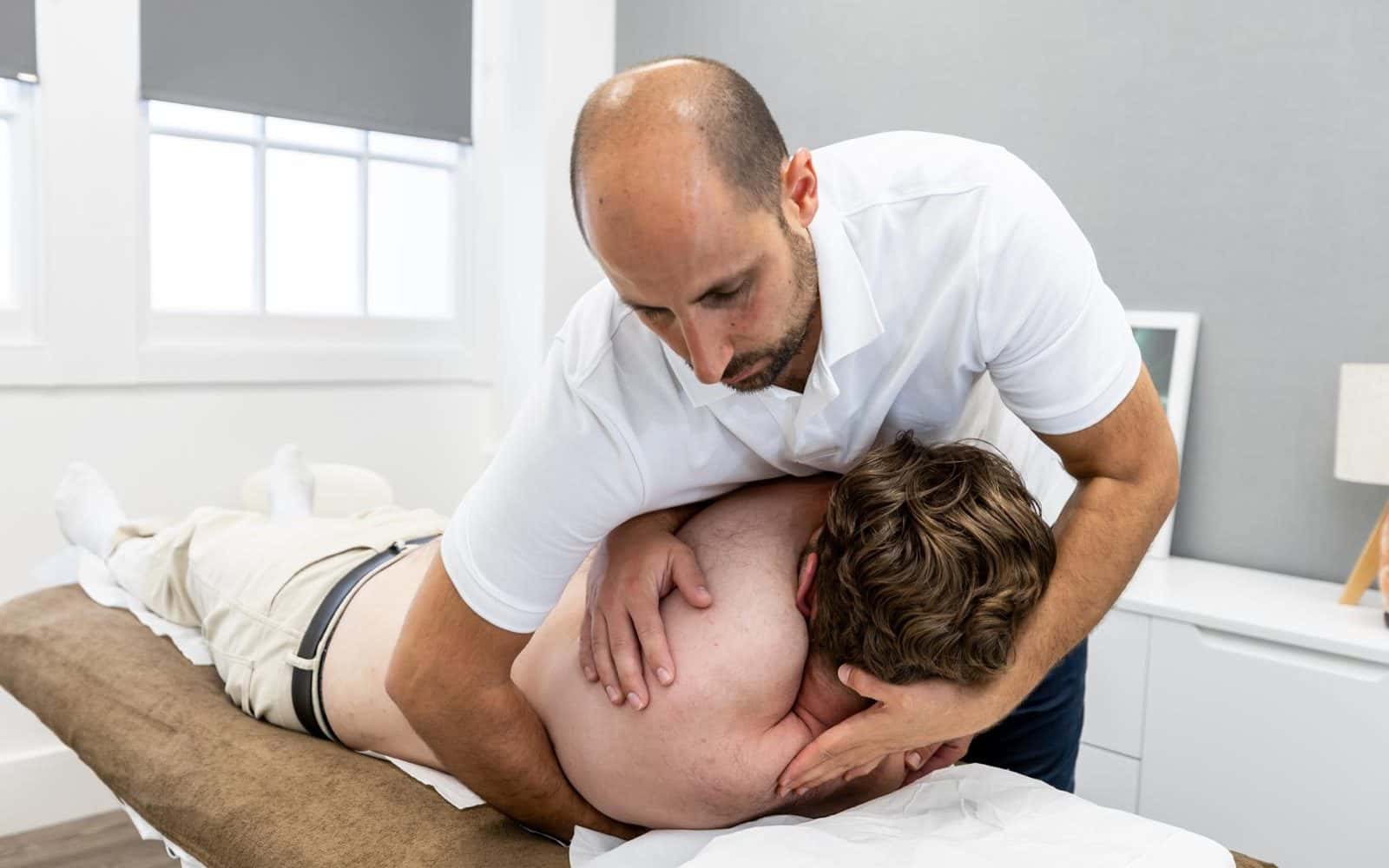
Osteopaths commonly help with general, acute and chronic back pain that has not come from an injury or accident, and with related problems such as sciatica, lumbago and muscle spasms. The Institute of Osteopathy puts the number of people in the UK with back pain at 10 million, and it is one of the most common problems osteopaths see and are trained to assess.
Will an osteopath help with back pain, or should I see someone else?
Osteopaths, physiotherapists and chiropractors all work with back pain, and there is a real overlap between the professions. The main differences come down to philosophy and technique selection rather than one being definitively "better" for chronic back pain (more on that in the FAQs below). What matters most for chronic pain is finding a registered practitioner you trust, who takes a proper history, examines you thoroughly, and builds a plan that includes exercise rather than relying on hands-on treatment alone.
What are the potential downsides of osteopathy?
As with any manual therapy, there can be minor after-effects. The General Osteopathic Council notes that you may feel sore after some manual techniques, and a registered osteopath should always explain the likely benefits and risks of what they are proposing before you agree to it, so you can decide together whether it is right for you. Osteopathy is not right for every cause of back pain either. Part of a thorough assessment is ruling out anything that needs a different kind of care, such as an infection, a fracture, or nerve compression that needs urgent attention, which is why the assessment stage matters as much as the treatment itself.
How to ease severe lower back pain at home
While you are waiting for an appointment, or alongside your treatment plan, the NHS recommends:
- staying active and continuing with your normal daily activities where you can, rather than resting in bed for long periods
- taking an anti-inflammatory such as ibuprofen if it suits you, checking with a pharmacist or GP if you are unsure
- using an ice pack or a bag of frozen peas, wrapped in a tea towel, to reduce pain and swelling
- using a heat pack or hot water bottle, also wrapped in a tea towel, to ease stiffness or muscle spasm
- trying gentle exercises and stretches for back pain, stopping if things get worse
When to get urgent medical help
Most back pain, even long-standing back pain, is not a sign of anything serious. But ask for an urgent GP appointment or call NHS 111 if you have back pain and you feel hot, cold, shivery or generally unwell, or if the pain is severe, started suddenly or is getting worse quickly.
Call 999 or go to A&E if you have back pain and:
- pain, tingling, weakness or numbness in both legs
- numbness or tingling around your genitals or bottom
- new problems controlling your bladder or bowels
- changes in how your penis or vagina feels during sex, not being able to get or keep an erection, or not being able to orgasm
- chest pain
- the pain started after a serious accident, such as a car accident
Some of these can be signs of a rare but serious condition that needs same-day hospital assessment. Full guidance is on the NHS pages on back pain and sciatica.
How Aberdeen Osteopathy Clinic can help
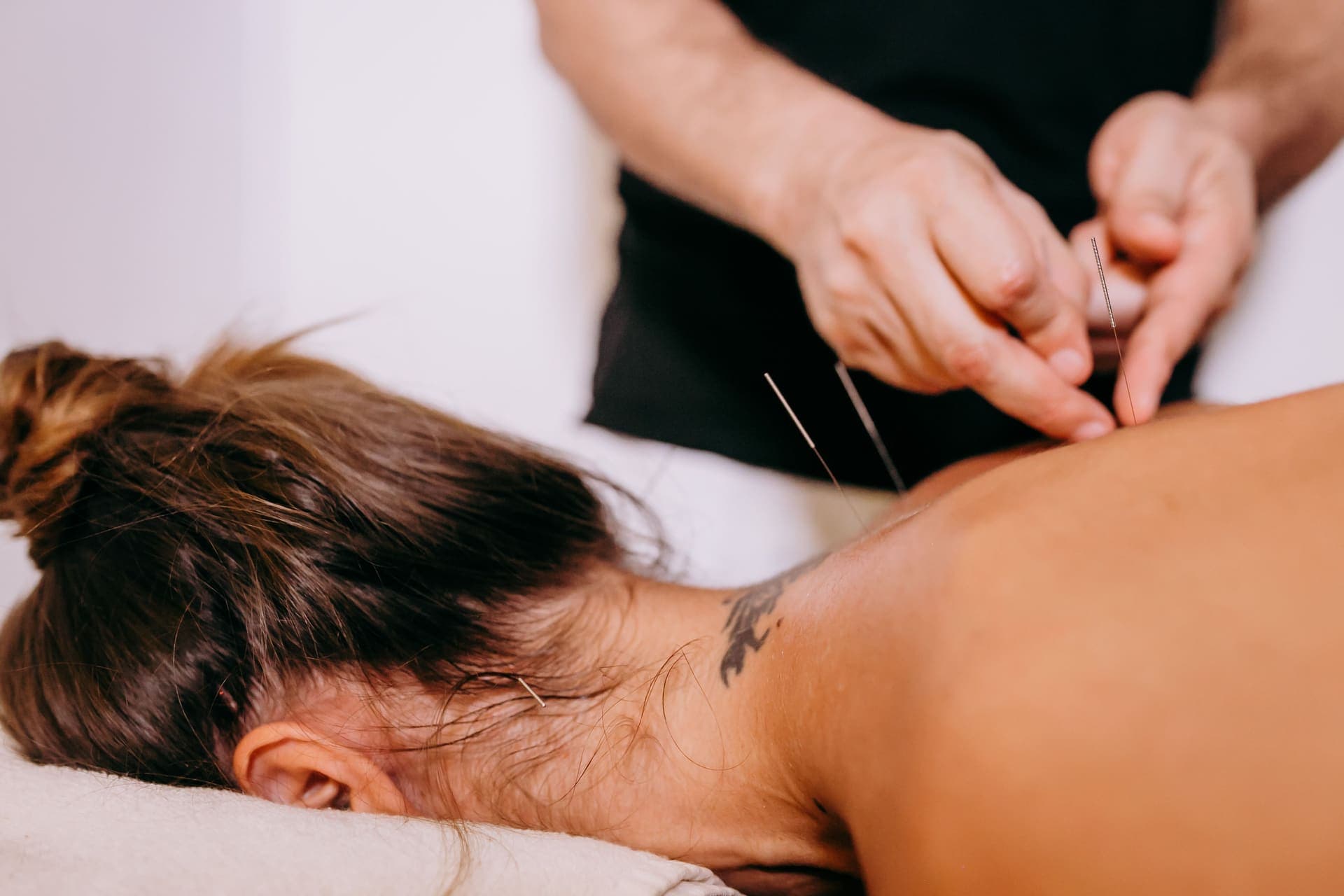
Abdul Abu-Laban is a GOsC-registered osteopath, registration number 6294, with over 19 years of experience. You do not need a GP referral to book with us. Your first visit, including a full consultation, is £80, with continuing treatment at £70 a session. Abdul will take a full history, examine you thoroughly, and, in line with the guidance above, build a plan around your specific pattern of pain rather than manual therapy alone, which may include advice on exercise and movement. We also offer dry needling for the short-term relief of chronic low back pain alongside osteopathic treatment, where appropriate.
For a broader look at how osteopaths approach back pain, see our earlier article on what an osteopath can do to relieve your back pain. Book an appointment whenever you are ready.
Frequently asked questions
Does the NHS recommend osteopathy for back pain?
NICE guidance recommends manual therapy, of the kind osteopaths provide, as part of a treatment package that includes exercise for low back pain and sciatica. Some osteopathic treatment is available through the NHS in certain areas, so it is worth asking your GP what is commissioned locally. Most people access osteopathy privately, without needing a referral first.
Which is better for chronic back pain, an osteopath or a chiropractor?
There is no single answer. Both professions are regulated, both assess and treat back pain with hands-on techniques, and the right choice often comes down to which practitioner you feel comfortable with. See our guide on osteopathy and chiropractic for more on how the two compare.
How many osteopathy sessions will I need for chronic back pain?
It varies from person to person. Your osteopath should give you a clear explanation of what they find, agree a treatment plan with you, and be upfront about what it can realistically achieve and roughly how many sessions are likely to help, reviewing progress as you go rather than committing you to a fixed course upfront.
Is dry needling used for chronic back pain?
Yes, it can be used alongside osteopathic treatment for the short-term relief of chronic low back pain and related muscle tension. It is not suitable for everyone, so your osteopath will check your history first.
Sources
- NICE guideline NG59: Low back pain and sciatica in over 16s, recommendation 1.2.7
- NHS: Back pain
- NHS: Sciatica
- Institute of Osteopathy: Muscle and joint conditions
- General Osteopathic Council: Is osteopathy safe?
This article is general information, not a diagnosis or personal medical advice. If you are unsure about your symptoms, speak to your GP or NHS 111.

Related treatments
Related conditions
Back Pain
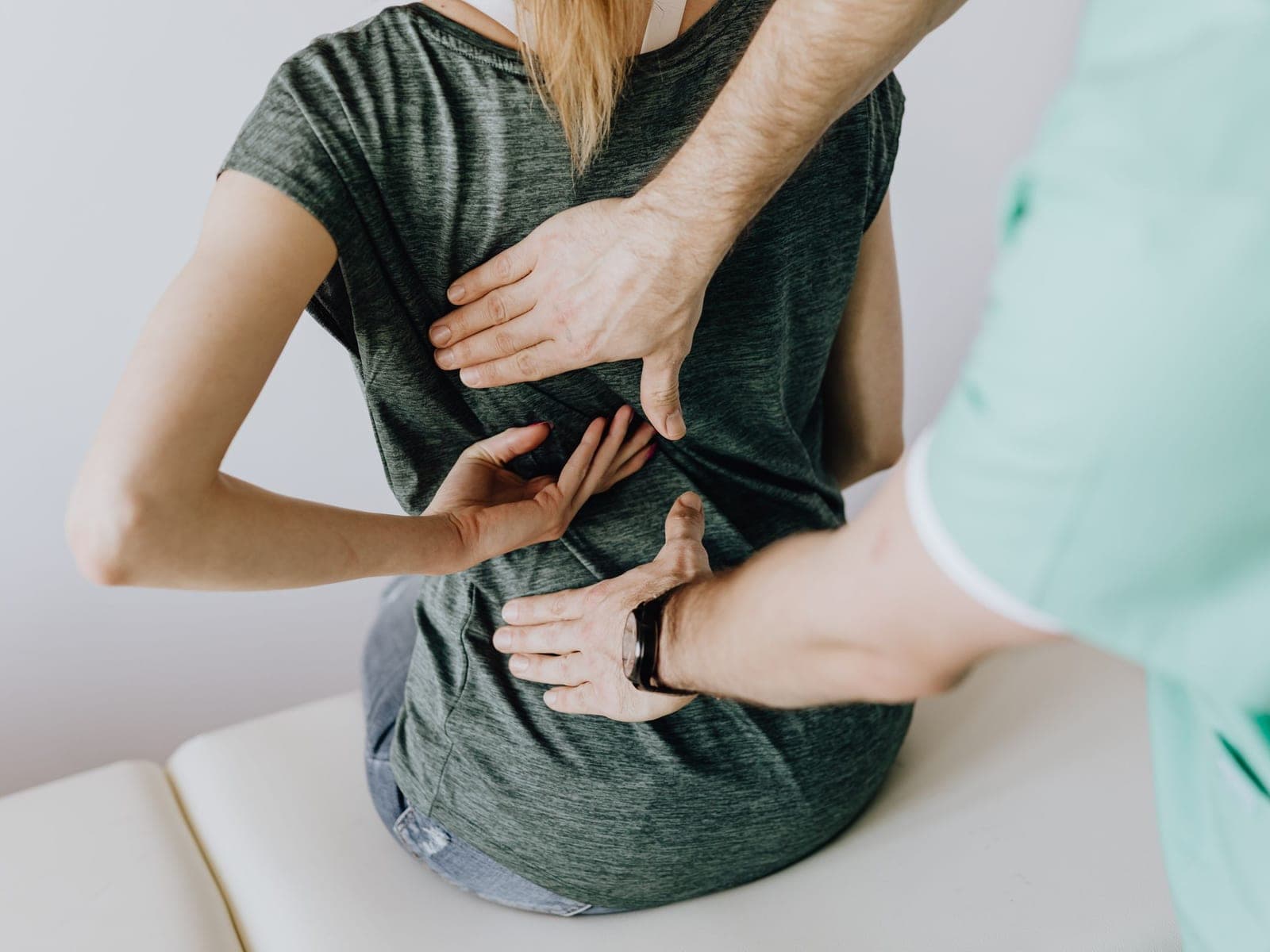
Back pain is the most common reason people come to see us. Most of it settles with the right advice, movement and hands-on treatment, and a proper assessment tells you which kind you have.
About back pain →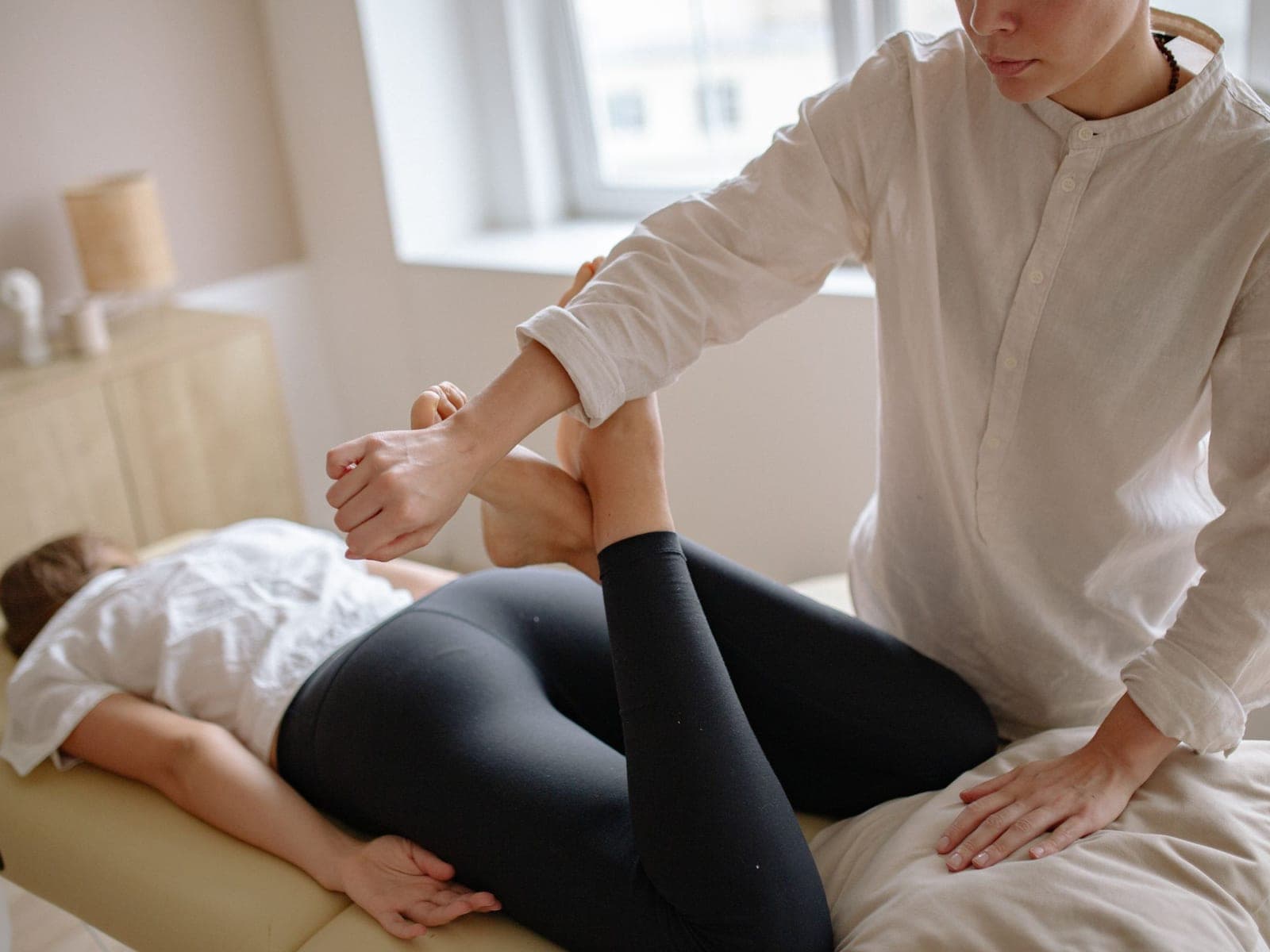
Sciatica
Sciatica is pain that runs from the lower back or buttock down the leg, caused by an irritated sciatic nerve. It usually settles over weeks to months, and the right treatment and advice can make that time a lot more bearable.
About sciatica →More from the blog
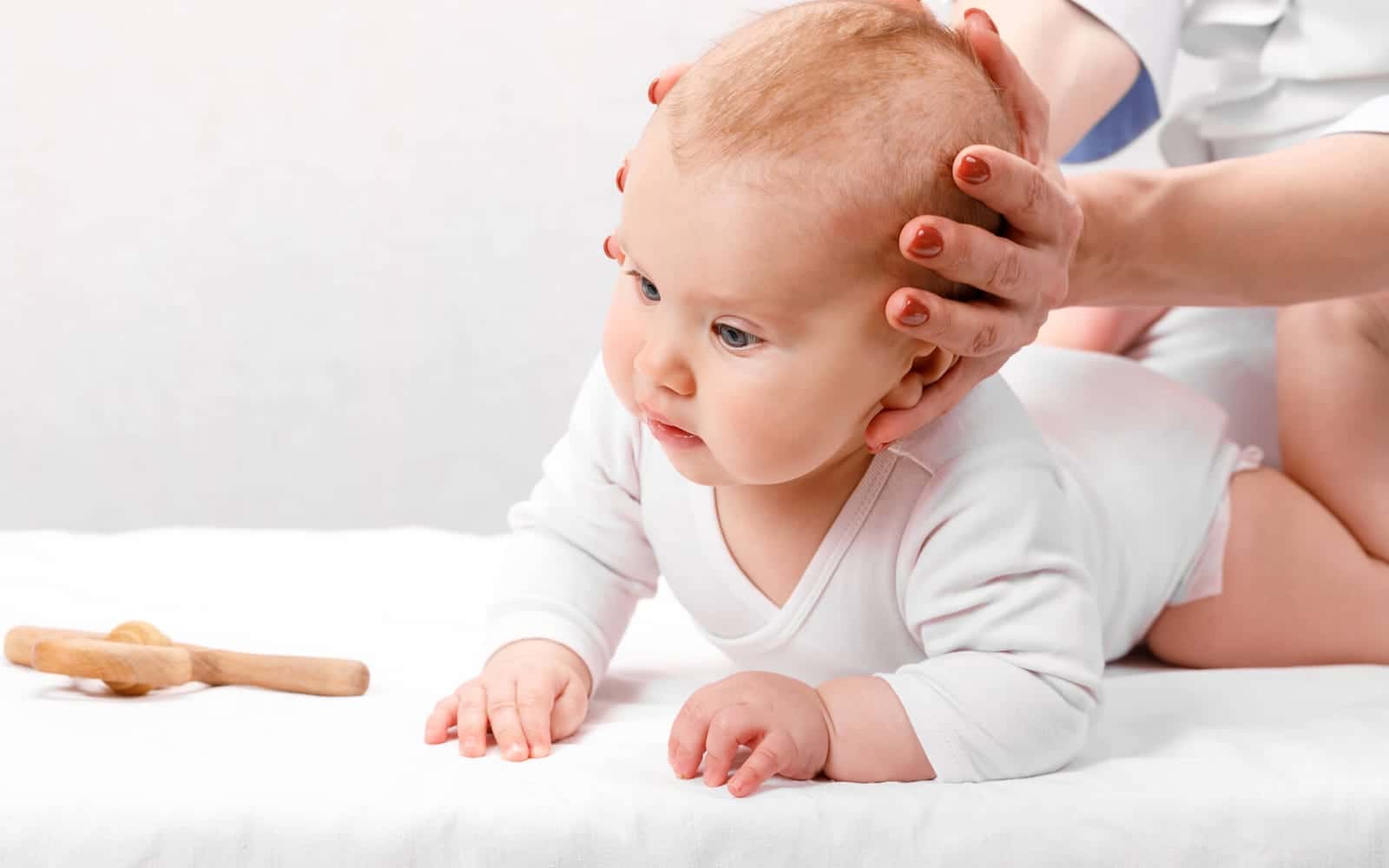
Osteopathy for Babies and Children in Aberdeen: A Parent's Guide
How osteopathy for babies and children works, the gentle techniques used, how it may help, what we will not claim, when to see your GP, and what a visit costs.

Vitamin D in Scotland: Why the NHS Says Take a Supplement from October to March
From October to March the sun in Scotland is too weak to make vitamin D. What the NHS advises, who needs a supplement all year, and how much is too much.
How to Choose an Osteopath in Aberdeen: the Register, Insurance and Five Questions to Ask
How to check the GOsC register, what registration guarantees, how health insurance works, and five questions to ask before you book an osteopath in Aberdeen.
Book your appointment
Need an appointment or just have a general enquiry? Complete the form and we'll be in touch within 24 hours. If you require to be seen urgently or need some initial advice, please give us a call.