

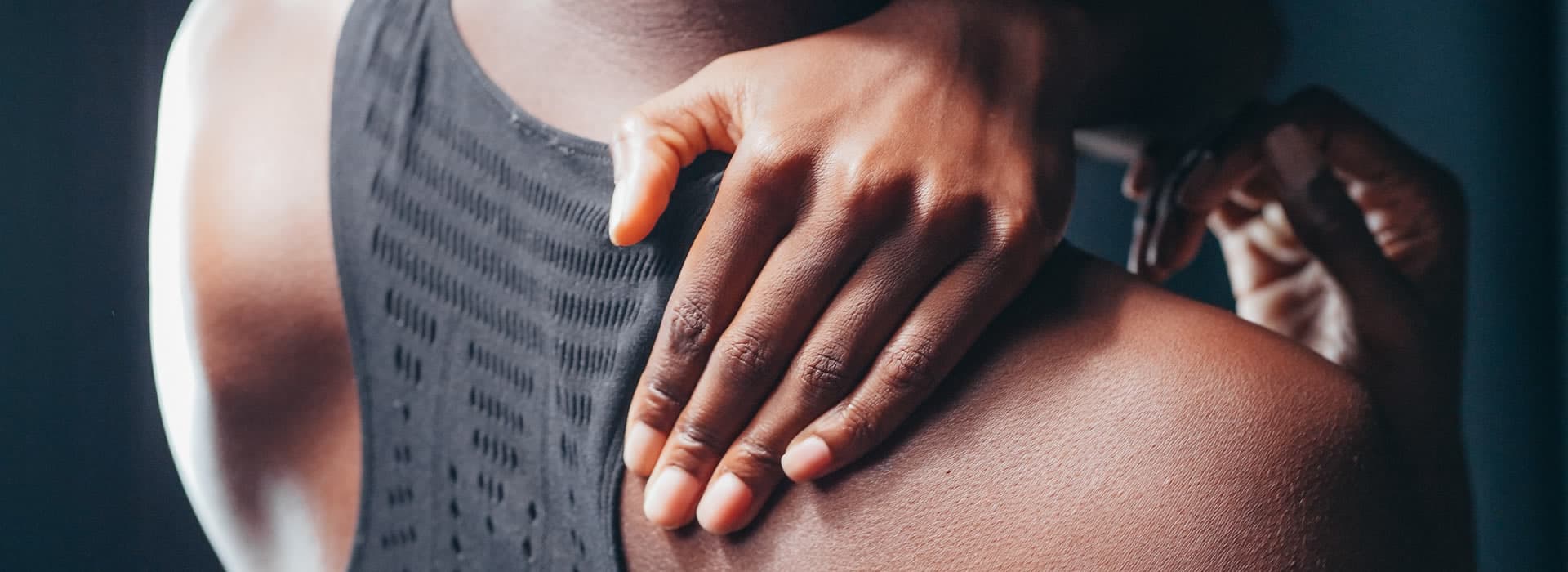
Osteopathy may help with minor sports injuries and the muscular tension and tightness that often go with them, such as sprains, strains and general training aches. It is not a substitute for emergency care: a suspected fracture, a joint you cannot put weight on, or numbness after an injury all need urgent medical attention first. This guide covers what osteopathy can help with, what a session involves, and when to get help elsewhere.
What counts as a minor sports injury?
Most of the aches picked up through sport and training are sprains (a stretched or torn ligament) or strains (an overstretched or torn muscle). The NHS notes that sprains are most common in the wrist, ankle, thumb and knee, while strains are more common in the feet, legs and back, and that typical signs include pain, tenderness or weakness, swelling or bruising, and difficulty putting weight on or using the area normally.
The NHS advises trying PRICE therapy (protection, rest, ice, compression, elevation) for the first two to three days, and notes that most sprains and strains feel better within about two weeks, though more severe ones can take months. Once you can move the area without pain stopping you, gentle movement helps stop the joint or muscle becoming stiff.
A minor sports injury is different from a broken bone, a dislocated joint or a significant ligament tear. If you heard a crack, the injured area looks an odd shape, or you cannot use it at all, that is not something to bring to an osteopath first. See "When to get urgent medical help" below.
Can an osteopath treat sports injuries?
Osteopaths are trained to assess and treat problems affecting muscles, joints and ligaments. They commonly help with minor sports injuries and tensions, and with related problems such as muscle spasms and cramp.
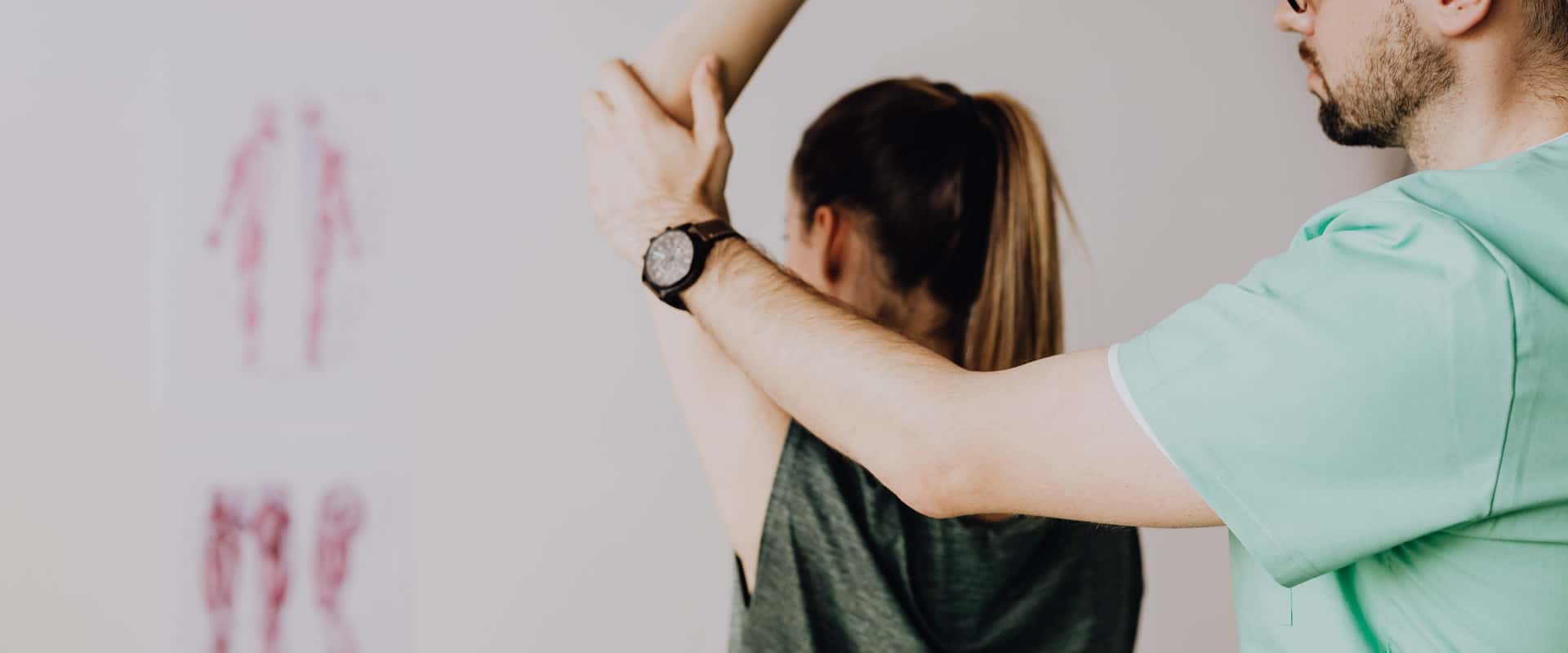
At an appointment, your osteopath will take a history of what happened and how the area has behaved since, then examine how you move and where you are restricted. They will also look at whether the surrounding joints, such as the hip and pelvis after a knee problem, or the mid-back after a shoulder problem, are contributing to how you are moving. Treatment is hands-on and can include soft tissue work, stretching and joint mobilisation, depending on what they find. You can read more about the osteopathy treatments offered at the clinic.
What to expect if your injury needs something else
Part of an osteopath's training is recognising when a problem is outside their remit. If your osteopath finds signs that concern them, such as symptoms that suggest a fracture, a nerve problem or a more serious underlying issue, they should tell you and direct you towards your GP, an urgent treatment centre, or A&E rather than continue treating you privately.
Is osteopathy good for running injuries?
Runners often develop muscular tightness and tension in the calves, hamstrings, hips or lower back, particularly after a jump in training volume, a change of terrain, or a return to running after a break. Osteopathy can help with muscular tension and minor sports injuries rather than any one running diagnosis, so your osteopath will assess your particular symptoms at the first visit rather than assume a single cause. If something is more specific or slow to settle, your osteopath will discuss the most appropriate options with you at your appointment, which may include a period of reduced training alongside treatment.
How can osteopathy support recovery after a sports injury?
Because osteopaths look at how the whole body is moving, not just the painful spot, treatment often considers areas that are compensating for an injury as well as the injury itself. For example, favouring one leg after an ankle sprain can leave the other hip or lower back feeling tight, and an osteopath will usually check for that kind of knock-on tension too.
Osteopathy can be combined with sports massage as part of an ongoing rehabilitation plan, particularly once the acute stage has settled and the focus moves to restoring full movement and confidence in the area. We've also written previously about osteopathy and sporting injury recovery if you would like more background on that side of things.
When to get urgent medical help
Call 999 or go to A&E if, after an injury:
- you heard a crack or snap at the time
- the injured part has changed shape or looks bent
- it is numb, tingling, or has pins and needles
- the skin looks blue, grey or unusually pale, or is cold to the touch
Call NHS 111, or see a GP, if:
- the pain is severe or getting worse
- there is significant swelling or bruising
- you cannot put any weight on it or walk more than a few steps
- it feels very stiff or you cannot move it
- it is not improving with self-care
- you also feel hot, cold or shivery, or have a high temperature
These are the NHS's own red flags for sprains and strains, and they apply just as much to sporting injuries as to any other.
How Aberdeen Osteopathy Clinic can help
Abdul Abu-Laban is a GOsC-registered osteopath (registration number 6294) with over 19 years of experience and a reputation as a trusted sports injury osteopath, based at 24 Ellon Road, Bridge of Don, Aberdeen. You do not need a GP referral to book a private appointment. A first visit, including consultation, costs £80. When you are ready, you can book an appointment directly.
Frequently asked questions
Is osteopathy the same as sports massage?
No. They are different, complementary approaches. Sports massage works directly on the soft tissue, while osteopathy also assesses joint movement and posture across the body. You can use both at different stages of recovery.
Can osteopathy help with running injuries?
Osteopathy can help with minor sports injuries and muscular tension, which covers many of the aches runners develop through training. Your osteopath will assess your specific symptoms rather than treat "running injuries" as one single condition.
Do I need a GP referral to see an osteopath for a sports injury?
No. Most osteopaths, including at this clinic, work privately, and the General Osteopathic Council notes that most patients refer themselves. If you are unsure whether your injury needs medical attention first, see the urgent help section above.
Should I see an osteopath or a physiotherapist for a sports injury?
Both are regulated professions that treat sports injuries in different ways, and either can be a reasonable choice depending on your injury and preferences. See our guide to osteopathy and physiotherapy for how to decide, or speak to your GP if you are not sure.
Sources
This article is general information, not a diagnosis or personal medical advice. If you are unsure about your symptoms, speak to your GP or NHS 111.

Related treatments
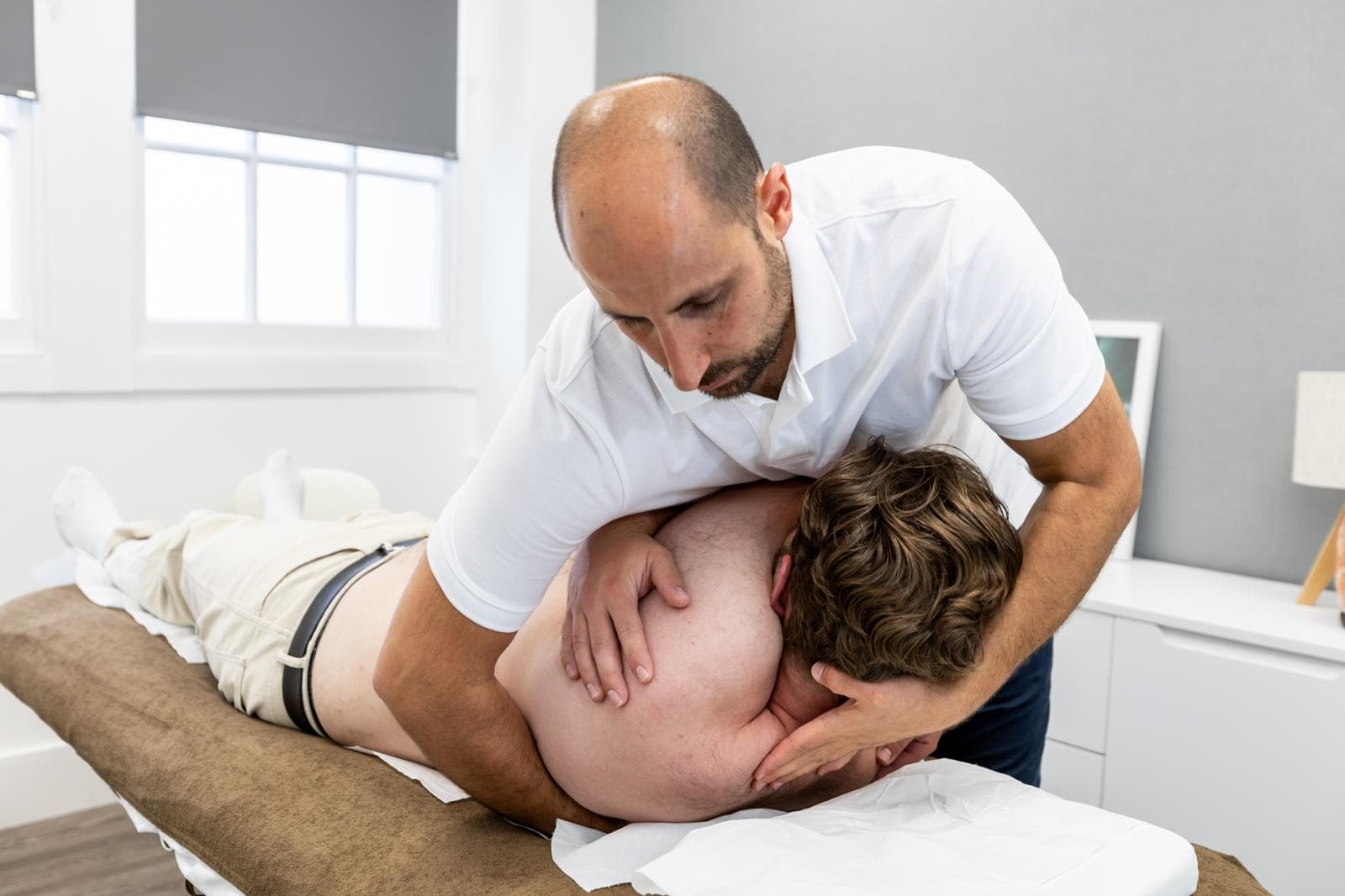
Osteopathy
Osteopathy treatments are a form of manual medicine that treats the muscular skeletal system including muscles, ligaments, nerves, joints and problems related to its function.
Learn more →Sports Massage & Rehabilitation
Most sporting activities can contribute to muscle groups becoming repetitively overused which in turn can result in dysfunction developing within the soft tissue. Sports massage is beneficial to incorporate into any level of training regime.
Learn more →More from the blog
How Much Does an Osteopath Cost in Aberdeen?
How much does an osteopath cost in Aberdeen? See our current prices, what affects the cost, insurance cover, and whether you need a GP referral to go private.
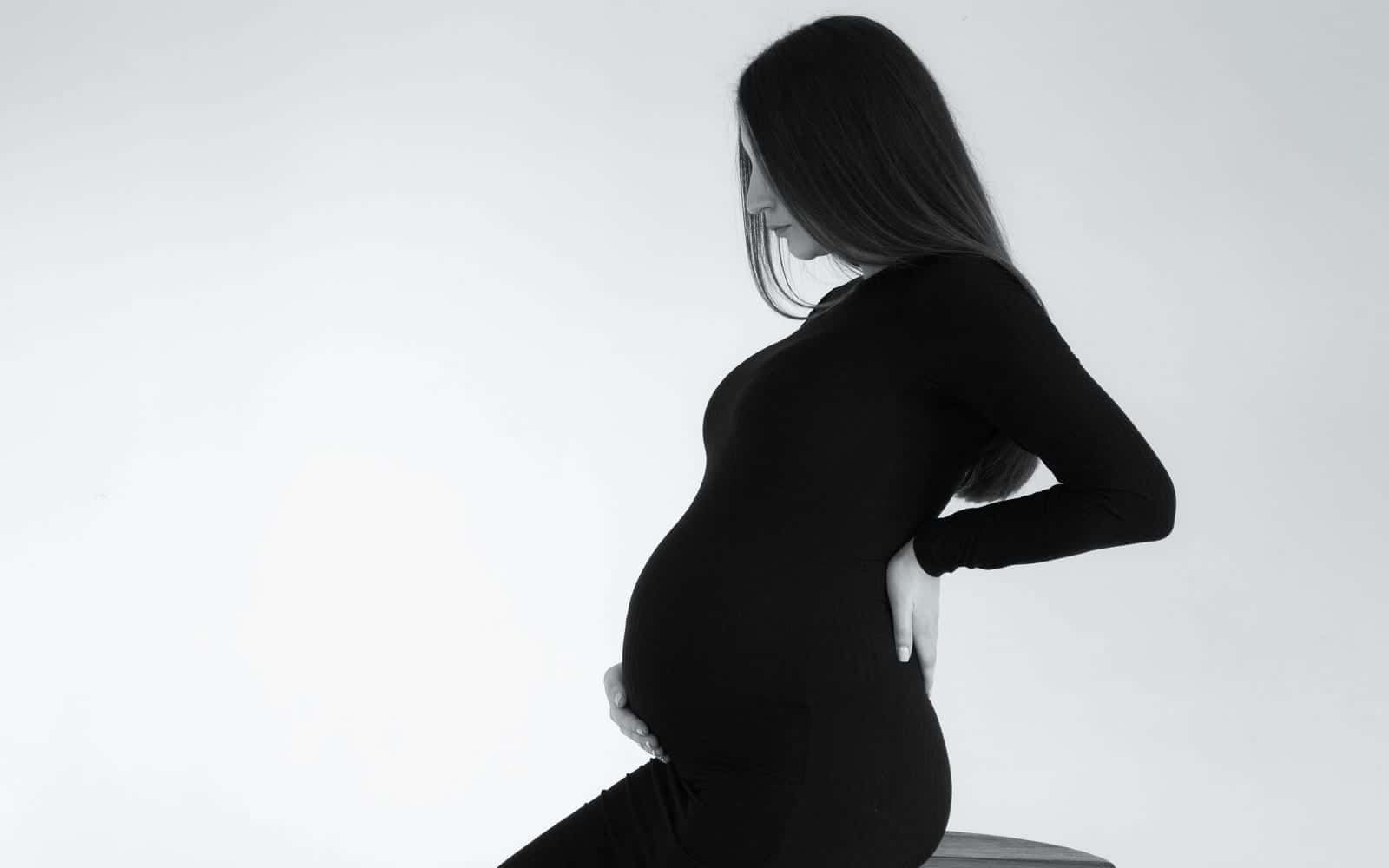
Safe Back Pain Relief in Pregnancy, Including Osteopathy
Back pain in pregnancy is very common. Safe relief tips from NHS guidance, the warning signs to know, and how an osteopath in Aberdeen can help.
Osteopathy for Chronic Neck Pain: A How-to Guide
Stiff neck or ongoing neck pain? Learn what an osteopath does for neck pain, safe self-help tips, and when to get help, from our Aberdeen clinic.
Book your appointment
Need an appointment or just have a general enquiry? Complete the form and we'll be in touch within 24 hours. If you require to be seen urgently or need some initial advice, please give us a call.